Our answer
Use the battery table or measured energy for your exact CPAP model, pressure, humidifier, heated tube, and power path. ResMed publishes device-specific guidance and converter recommendations. Keep medical use separate from ordinary UPS marketing claims.
Build the estimate from your prescription setup
Record the machine model, pressure range, humidifier setting, heated tube setting, mask leak behavior, and whether you will use AC or an approved DC converter. A low-power travel setup and a heated bedside setup should not share one preset.
If the manufacturer publishes amp-hour tables, preserve the stated battery voltage and test conditions. Converting a table into watt-hours without its assumptions can create false precision.
AC versus approved DC
Using the normal AC adapter adds inverter conversion and station self-consumption. A manufacturer-approved DC converter can reduce conversion steps, but connector voltage and polarity must match exactly.
Do not improvise a cable because the plug fits. Use the device manufacturer's approved accessory and confirm the station port can sustain its input requirements.
Medical limitations
A portable power station is not automatically a medical UPS. Transfer time, alarm behavior, grounding, device restart, and battery state need to be tested with the therapy provider's guidance. Keep an escalation plan for outages longer than the battery reserve.
Source-reviewed candidates
Compare the relevant product records
| Product and use | Capacity | Continuous AC | Peak AC | Weight | Direct manufacturer |
|---|---|---|---|---|---|
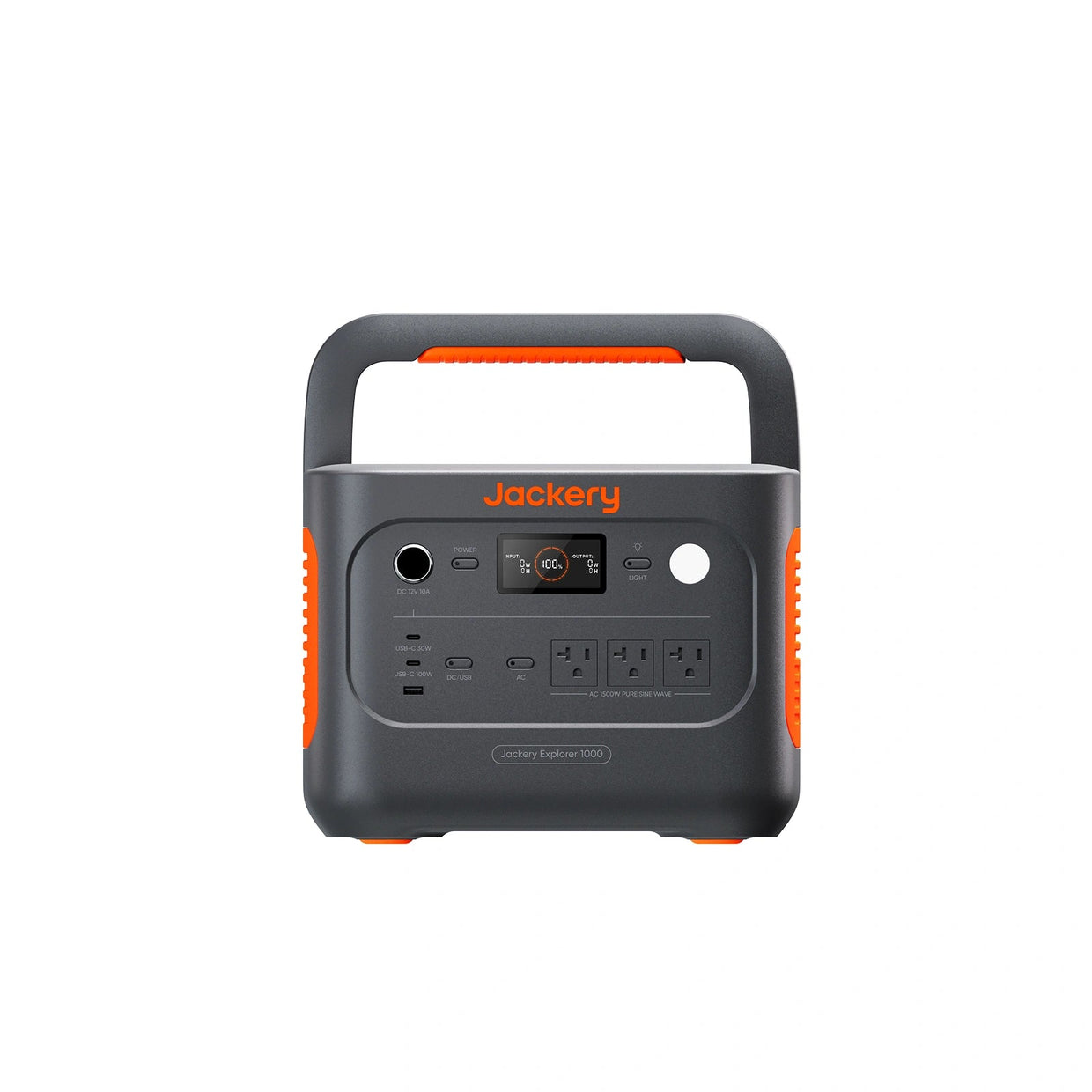 | 1,070 Wh | 1,500 W | 3,000 W | 23.8 lb | Check Jackery |
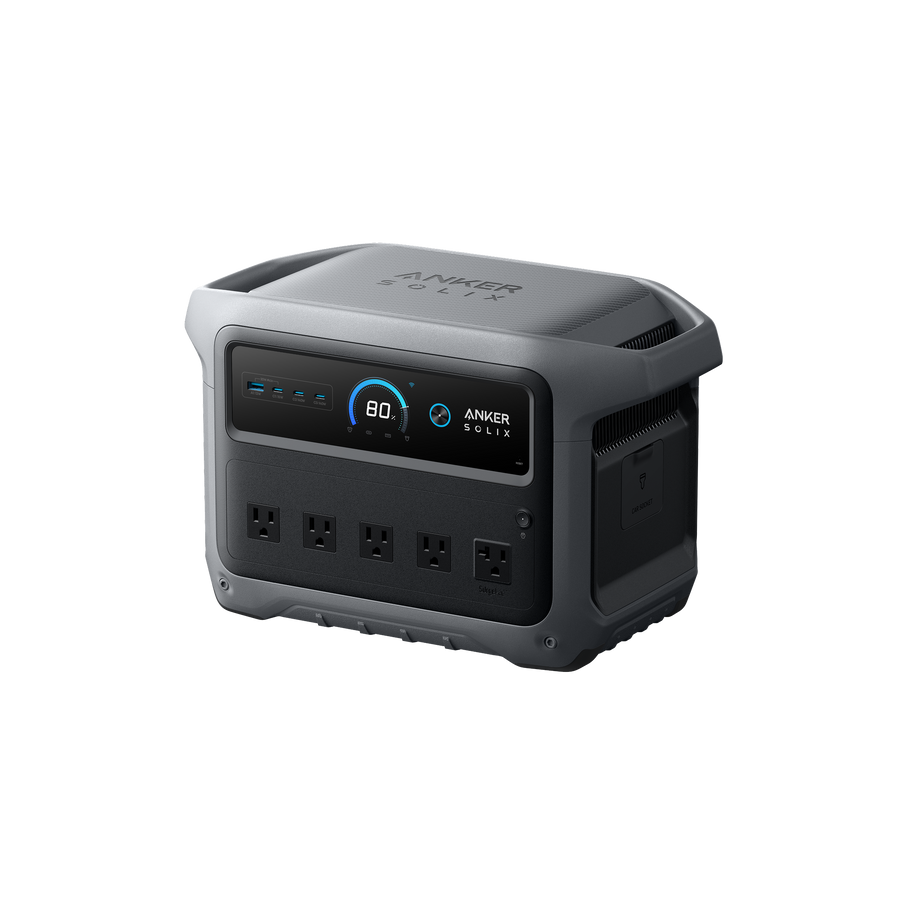 | 1,024 Wh | 2,000 W | 3,000 W | 24.9 lb | Check Anker |
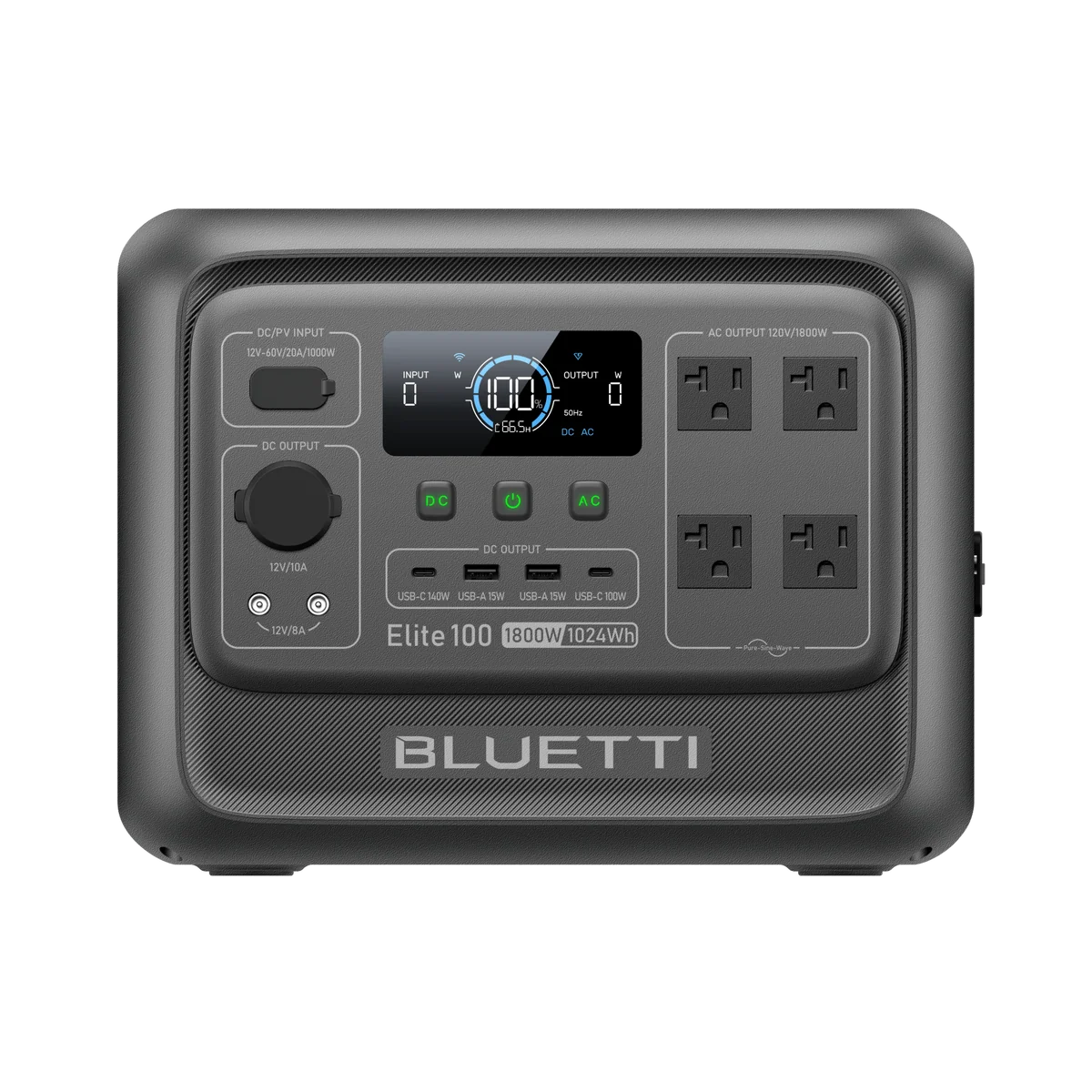 | 1,024 Wh | 1,800 W | Not published | 25.3 lb | Check BLUETTI |
Manufacturer boost modes are not substituted for a general surge rating. Direct manufacturer links exclude Amazon.
Questions that change the decision
Should I turn off the CPAP humidifier during an outage?
It can reduce energy use, but comfort and therapy settings are medical decisions. Follow the device guide and advice from your clinician or equipment provider.
Continue through this cluster
Use the next page that answers your unresolved constraint
Evidence used on this page
Important fields are tied to a specific source. Manufacturer claims, government guidance, calculations, and planning assumptions remain separate.
Provides device-specific battery tables, inverter guidance, converter guidance, and humidifier-related energy differences.
official support
- Calculation and compatibility methodology
Power Station Station
Defines capacity, efficiency, reserve, duty-cycle, voltage, continuous-output, and startup checks used across the site.
planning assumption
- Explorer 1000 v2 product specifications
Jackery US
US product page. Capacity, output, peak, chemistry, cycle life, weight, and warranty checked.
official product page
- Explorer 1000 v2 basic information
Jackery Support
Solar voltage, current, and 400W combined input limit checked.
official support
- C1000 Gen 2 product specifications
Anker SOLIX US
US page. Capacity, output, peak, input, weight, UPS, and charging claims checked.
official product page
- Portable power station collection
Anker SOLIX US
Official US collection page. Current direct C1000 Gen 2 price checked.
official product page
- C1000 Gen 2 battery support record
Anker SOLIX Support
Battery chemistry and cycle-retention claim checked.
official support
US manual. Capacity, chemistry, AC output, solar envelope, weight, UPS, and Power Lifting limitation checked.
official manual
- Elite 100 V2 product page
BLUETTI US
Cycle-life claim and current merchant destination checked.
official product page