The planning profile used here
- Running load
- 150 W
- Starting load
- 1,200 W
- Duty cycle
- 33%
- Voltage
- 120 V AC
The 150W running load, 1,200W starting load, and 33% duty cycle are conservative planning defaults, not universal appliance specifications. Use the refrigerator nameplate and a plug-in meter when possible.
Current product records
Estimated runtime is close. Output details decide the better fit.
All four records sit near 1kWh, so refrigerator runtime estimates cluster tightly. Weight, solar input, outlet count, expansion, and confidence in the published peak output create the practical differences.
| Product and fit | Capacity | AC output | Est. refrigerator runtime | Direct merchant |
|---|---|---|---|---|
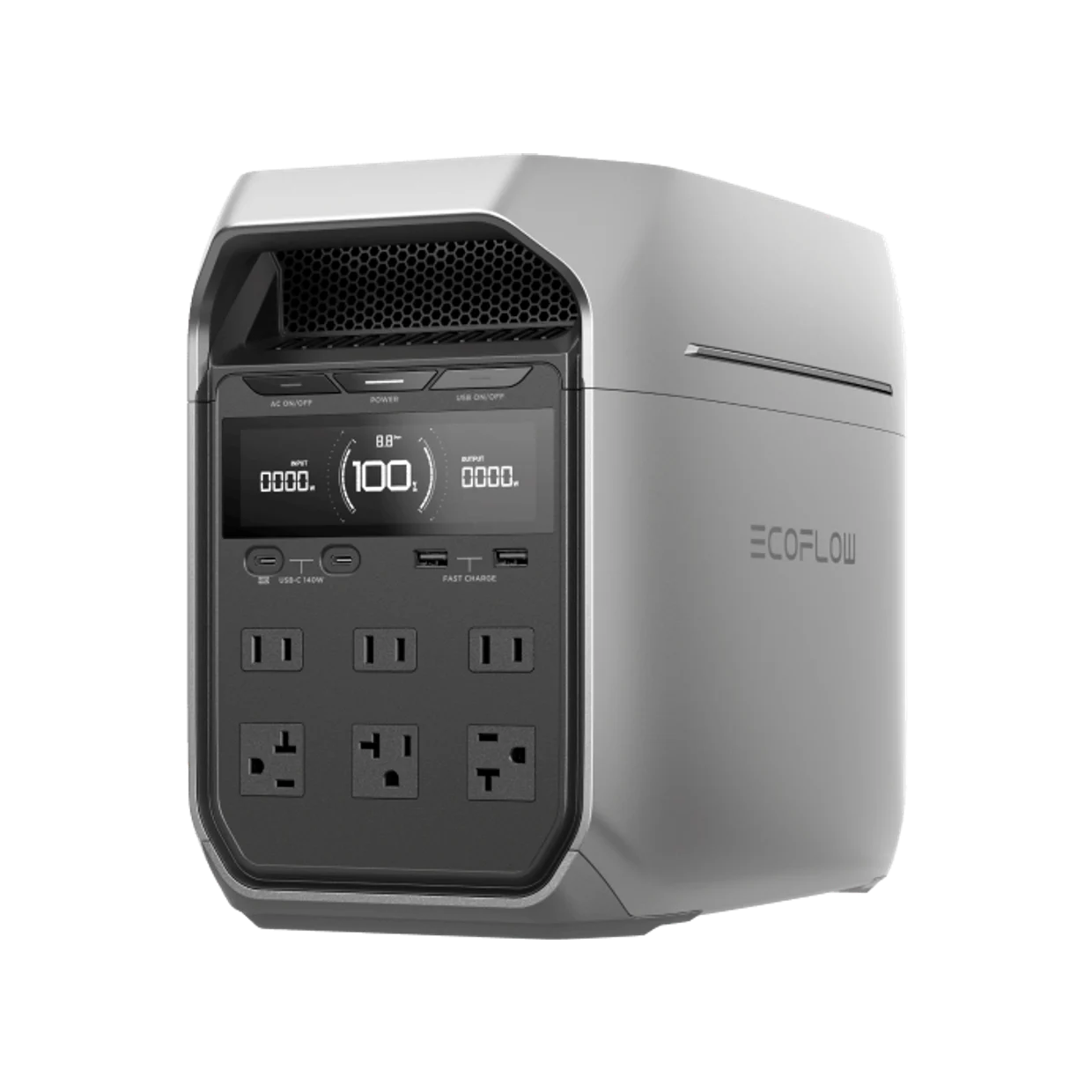 | 1,024 Wh | 1,800 W | 15.7 hours | Check EcoFlow |
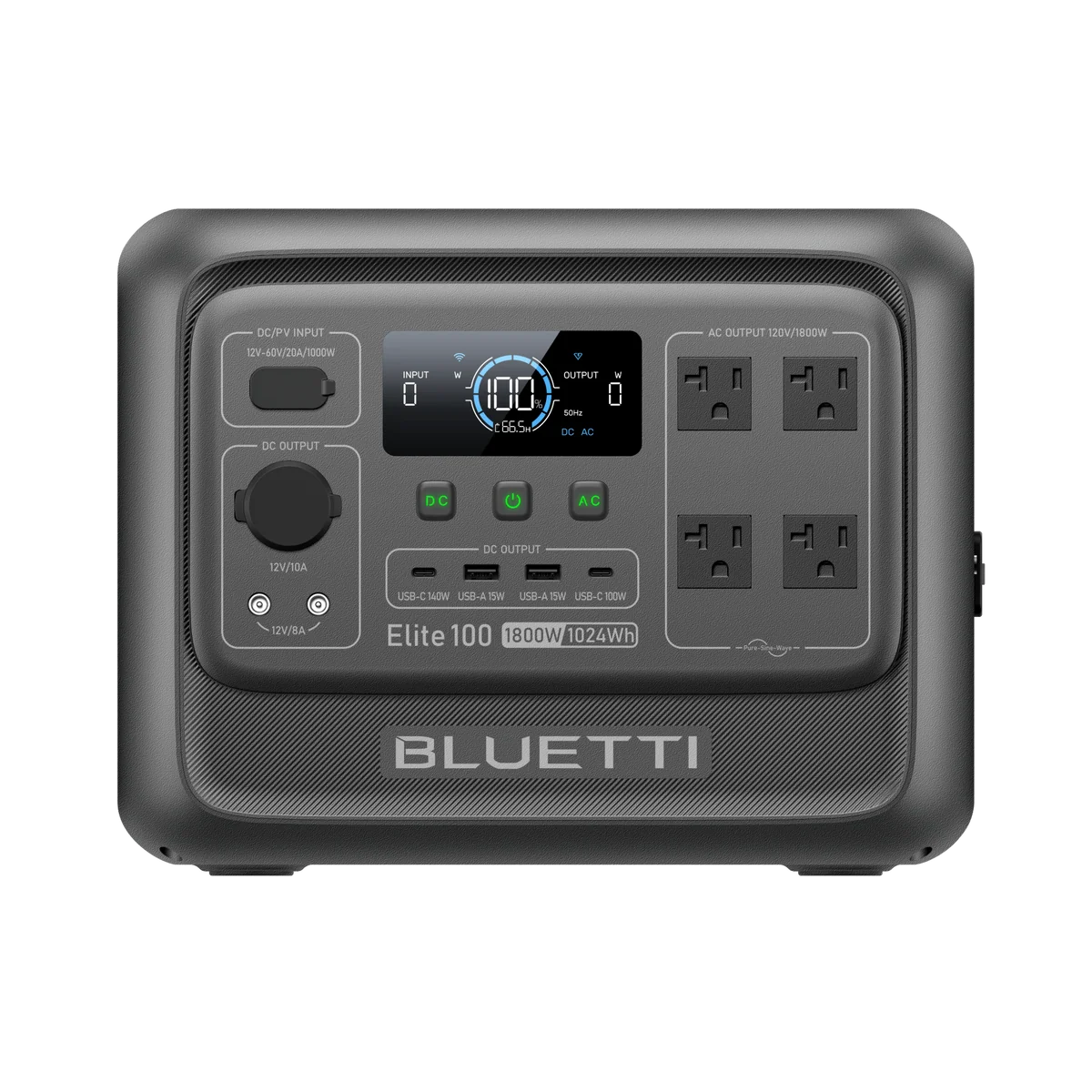 | 1,024 Wh | 1,800 W | 15.7 hours | Check BLUETTI |
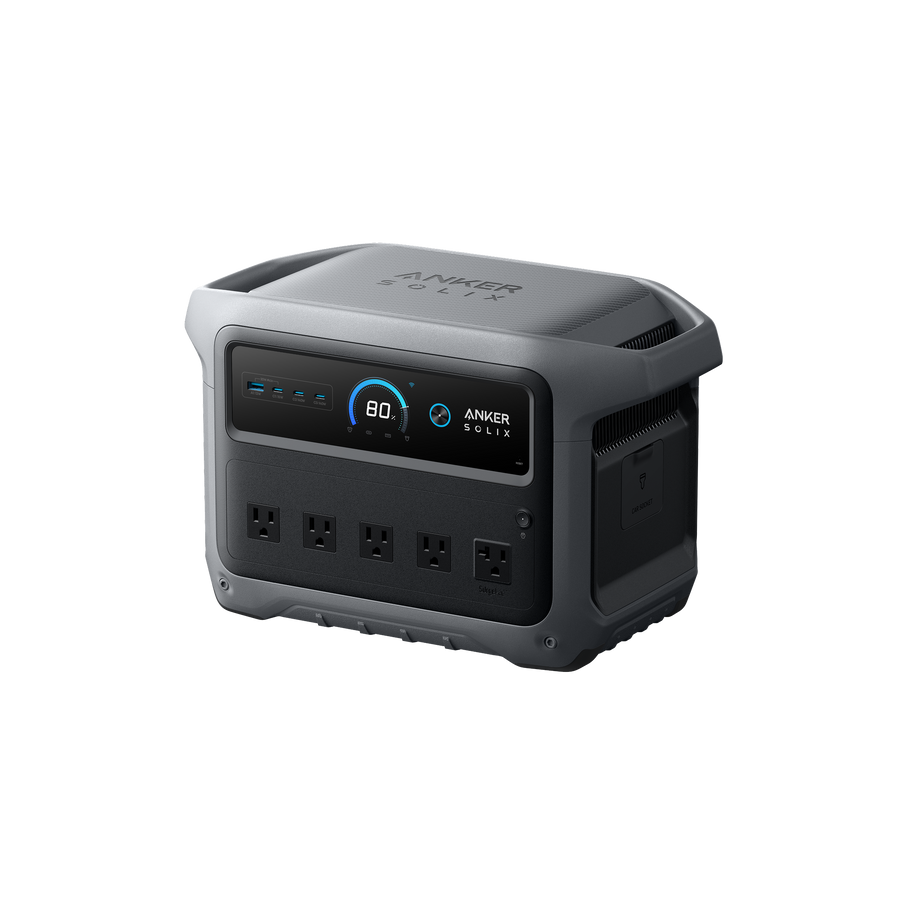 | 1,024 Wh | 2,000 W | 15.7 hours | Check Anker |
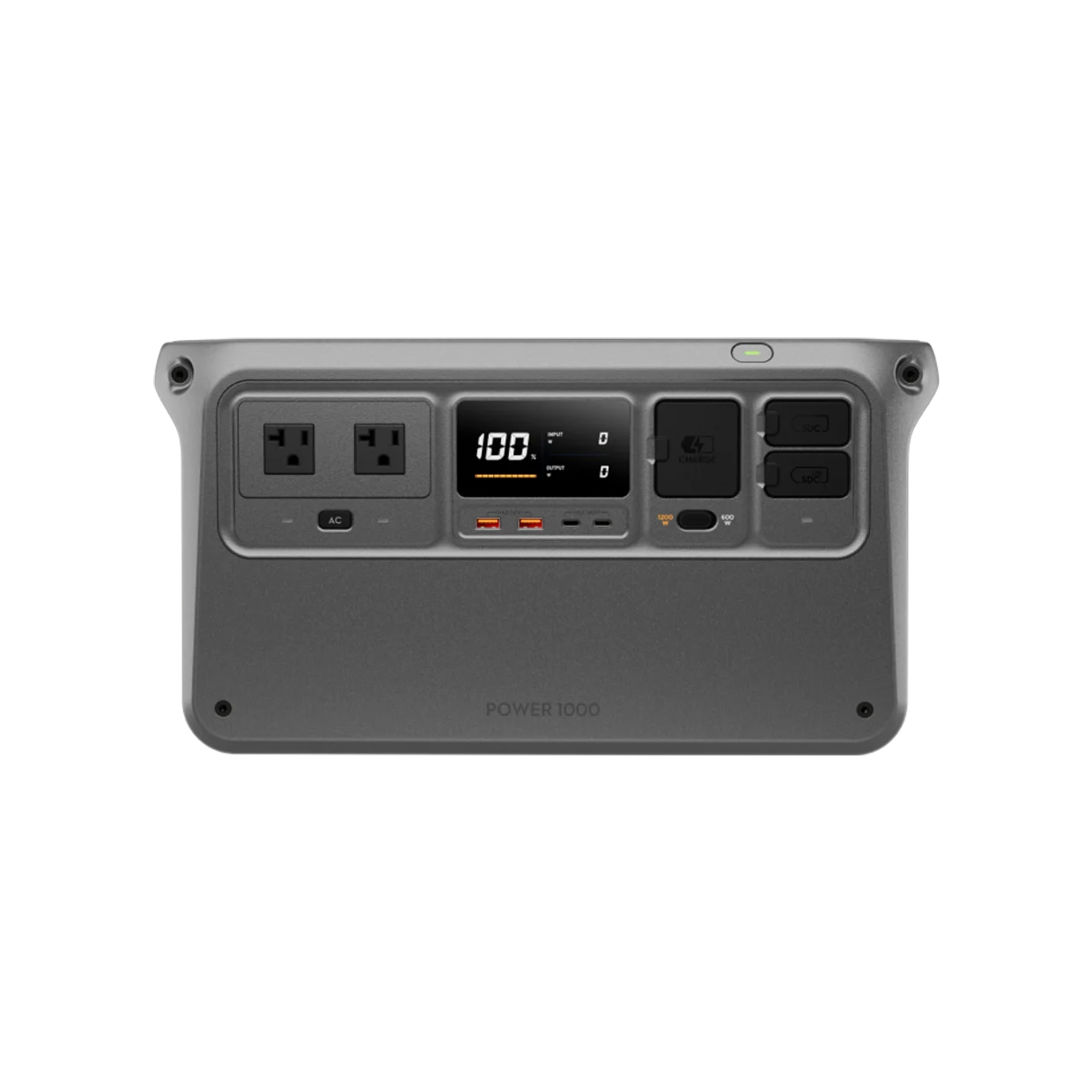 | 1,024 Wh | 2,200 W | 15.7 hours | Check DJI |
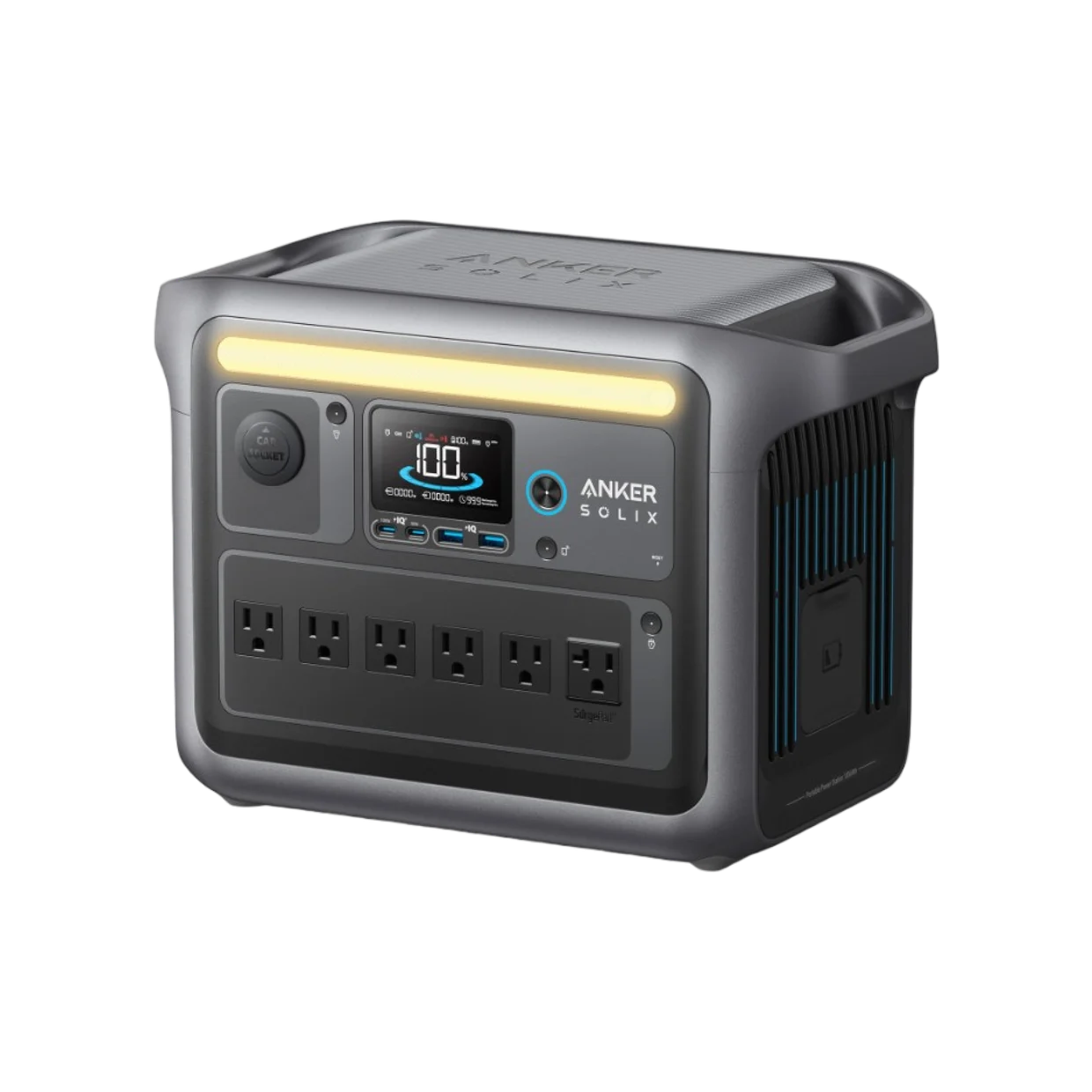 | 1,056 Wh | 1,800 W | 16.2 hours | Check Anker |
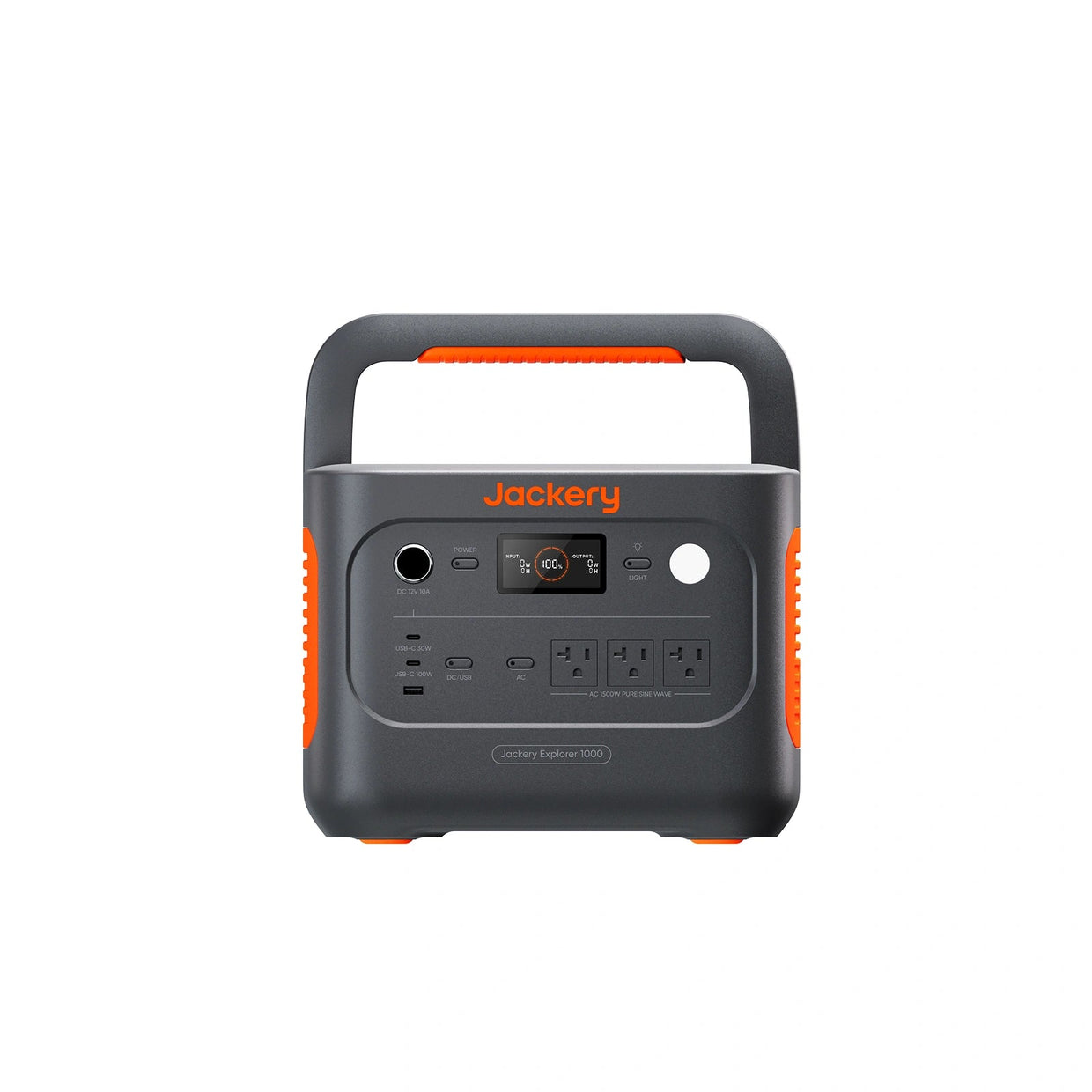 | 1,070 Wh | 1,500 W | 16.5 hours | Check Jackery |
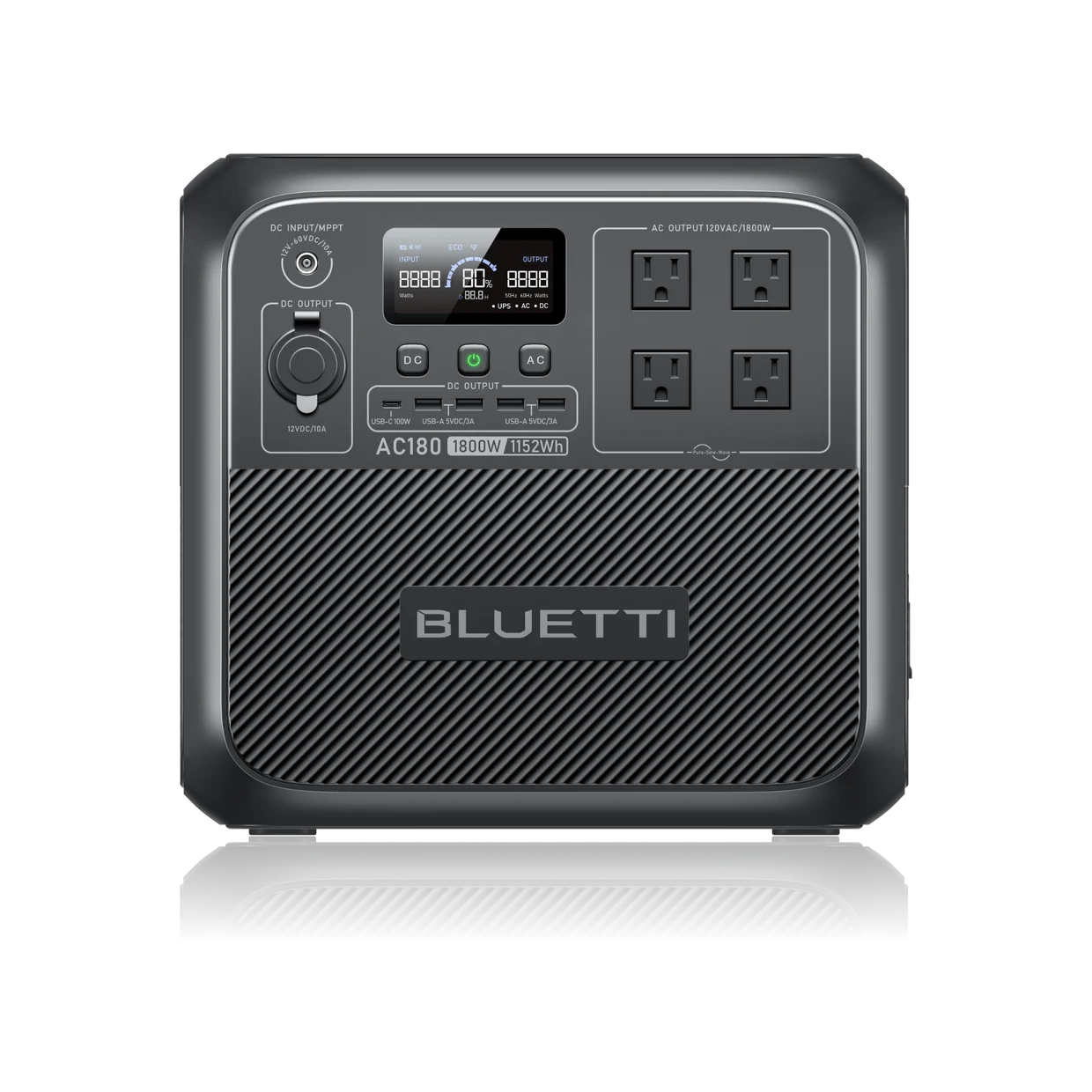 | 1,152 Wh | 1,800 W | 17.7 hours | Check BLUETTI |
Runtime uses the visible refrigerator planning profile, 90% usable capacity, and 88% AC conversion efficiency. It is not a measured result. Merchant links are direct and exclude Amazon.
How to size backup power for your refrigerator
- Read the nameplate. Record voltage and rated current or watts. A plug-in meter gives a better running-energy picture.
- Capture a compressor start. Peak readings matter because a station can have enough energy but still trip during startup.
- Measure a full day. Duty cycle changes with temperature, door openings, food load, defrost operation, and appliance condition.
- Add a reserve. Battery age, cold, inverter losses, and longer outages all reduce the value of a perfect spreadsheet estimate.
Run the refrigerator calculator with your measured watts, use the outage load planner when the refrigerator shares a battery with other loads, or compare the best source-checked power stations for a refrigerator after you have measured the load.
For broader planning, browse the portable power guide hub or start with the 1,000Wh capacity guide to understand how rated capacity becomes usable AC energy.
Refrigerator evidence and assumptions
Important fields are tied to a specific source. Manufacturer claims, government guidance, calculations, and planning assumptions remain separate.
- Certified residential refrigerators
ENERGY STAR
Supports model-level annual energy use and product attributes. It does not validate the planning surge preset.
government data
- Food safety during a power outage
FoodSafety.gov
Supports the four-hour closed-refrigerator guidance and related food-safety context.
government guidance
- Power Station Station refrigerator planning profile
Power Station Station
Visible default inputs for calculator use. Replace them with measured values for a purchase decision.
planning assumption