What 1,000Wh means in practice
Ranges use 90% usable capacity and 88% AC conversion efficiency, then round conservatively. Refrigerator results also use a cycling load. These are calculations, not tests.
Seven current records
The headline capacity is not the real comparison
The seven records in this class span just 128Wh of rated capacity, a range of 1,024 to 1,152 Wh. Continuous output, solar acceptance, carrying weight, expansion, UPS behavior, and the quality of published evidence matter more.
| Product and fit | Capacity | AC output | Est. refrigerator runtime | Direct merchant |
|---|---|---|---|---|
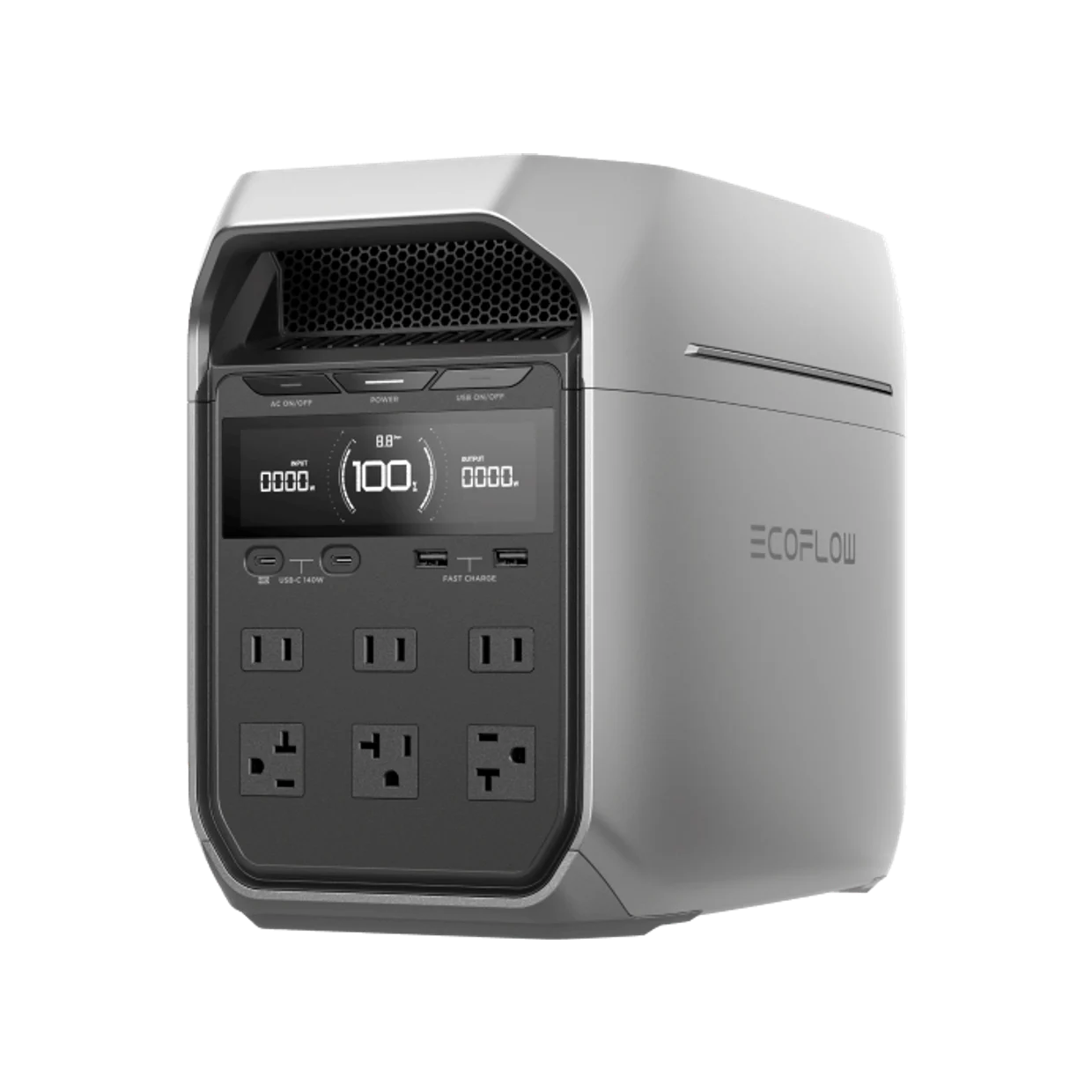 | 1,024 Wh | 1,800 W | 15.7 hours | Check EcoFlow |
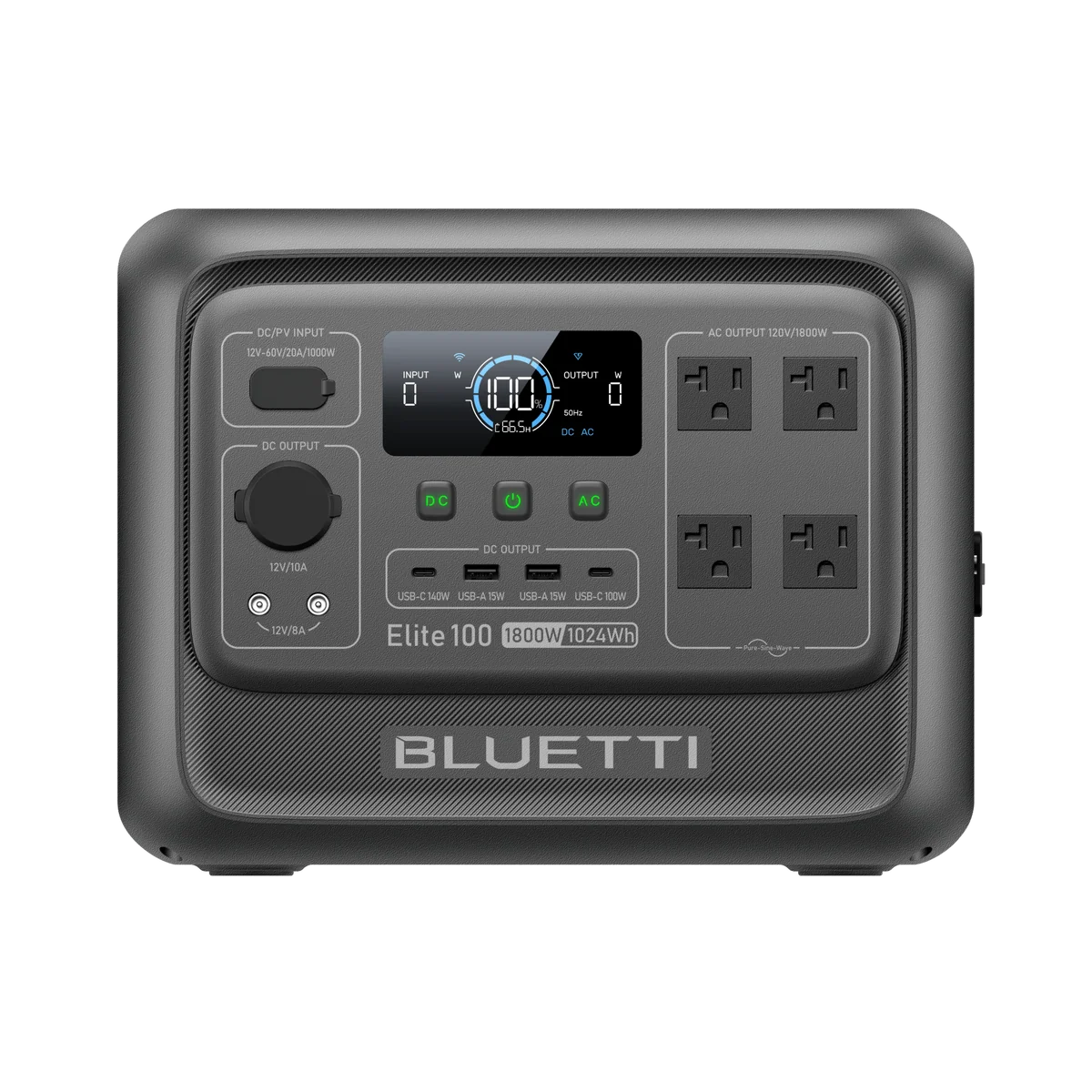 | 1,024 Wh | 1,800 W | 15.7 hours | Check BLUETTI |
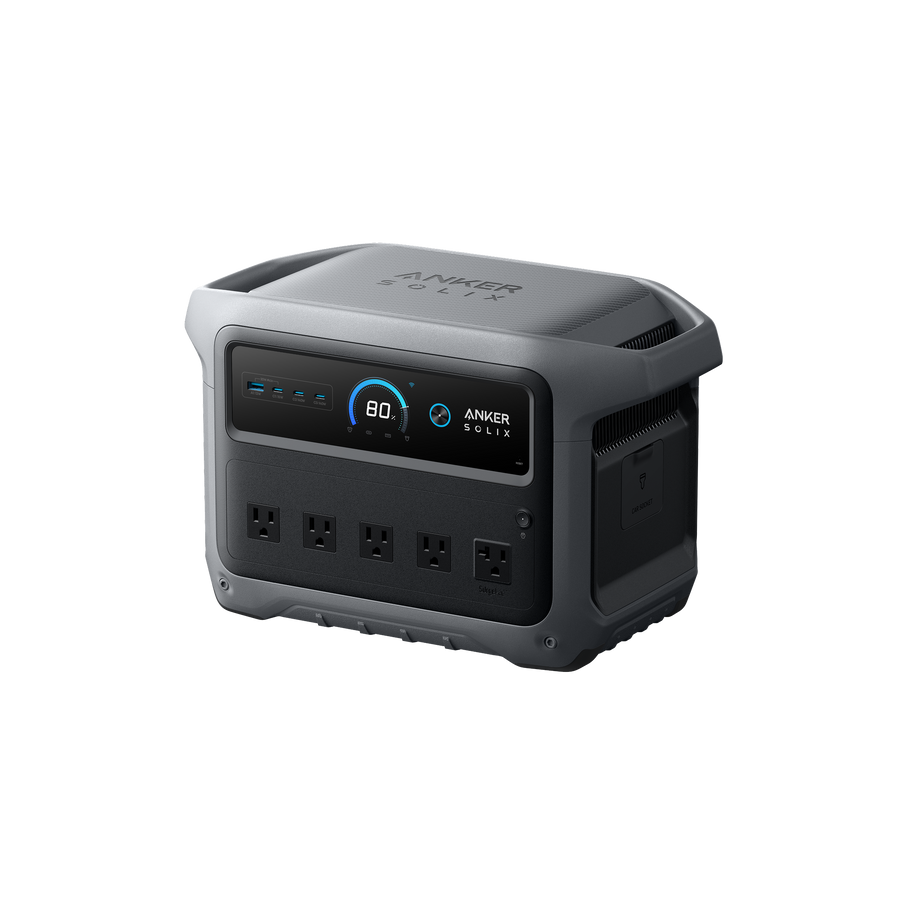 | 1,024 Wh | 2,000 W | 15.7 hours | Check Anker |
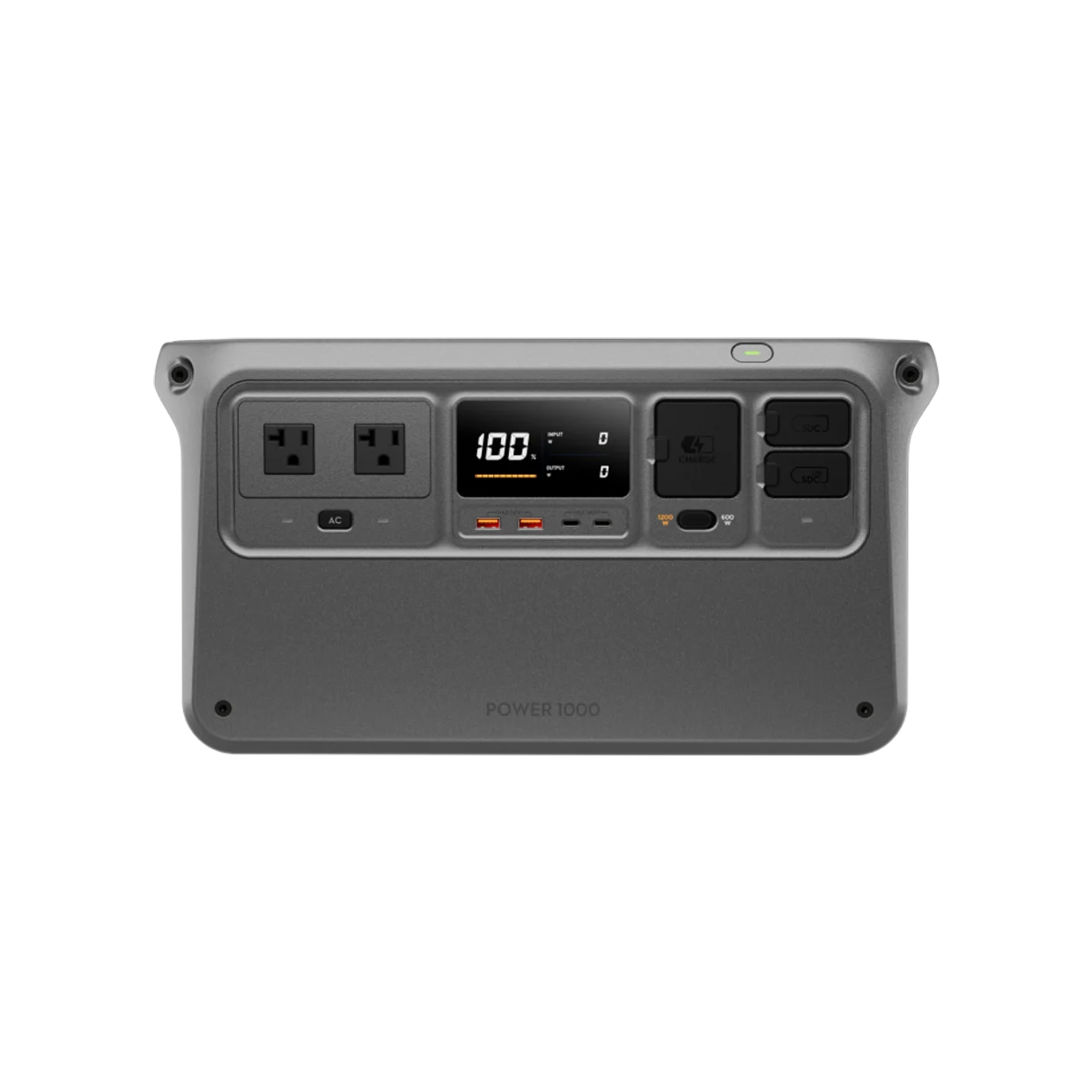 | 1,024 Wh | 2,200 W | 15.7 hours | Check DJI |
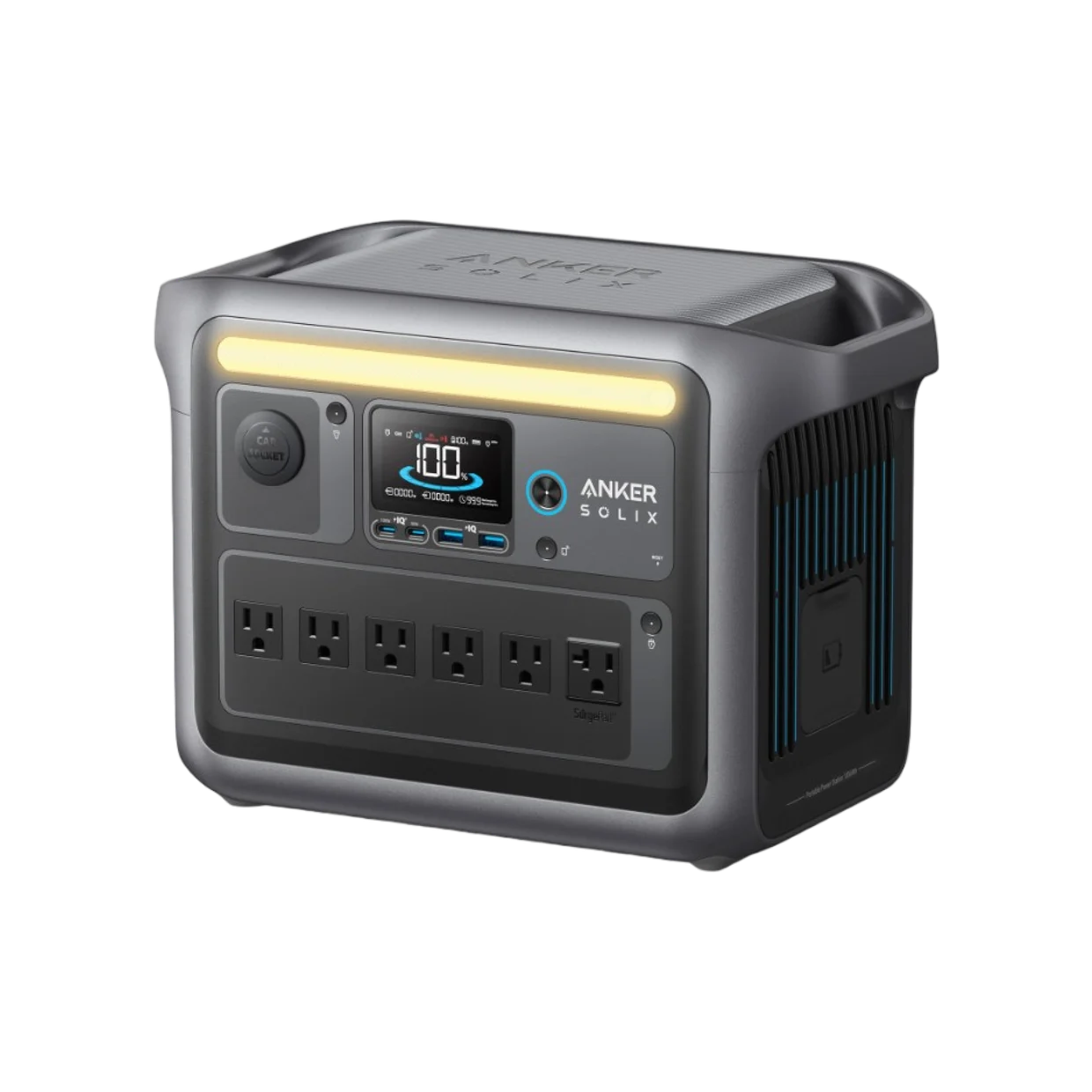 | 1,056 Wh | 1,800 W | 16.2 hours | Check Anker |
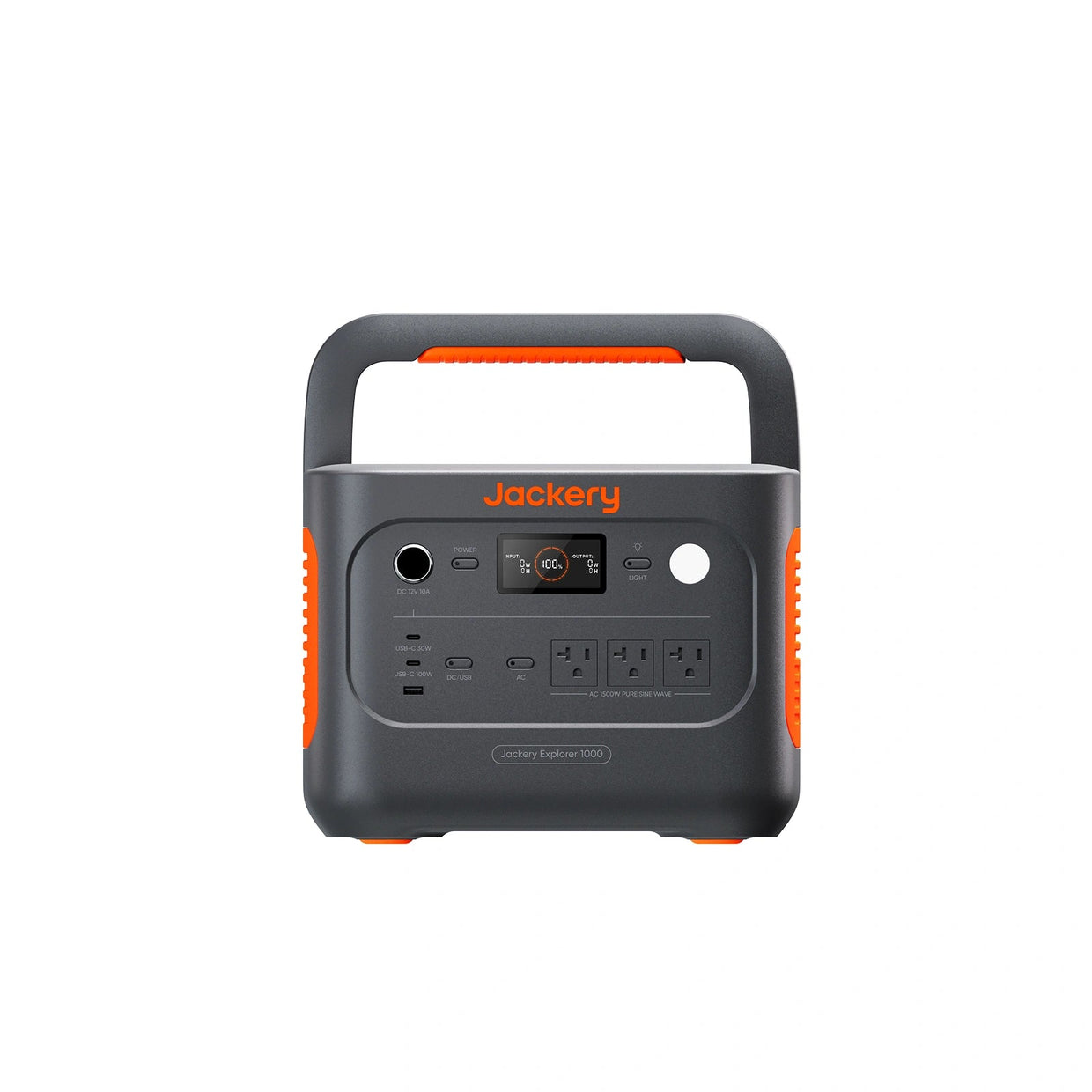 | 1,070 Wh | 1,500 W | 16.5 hours | Check Jackery |
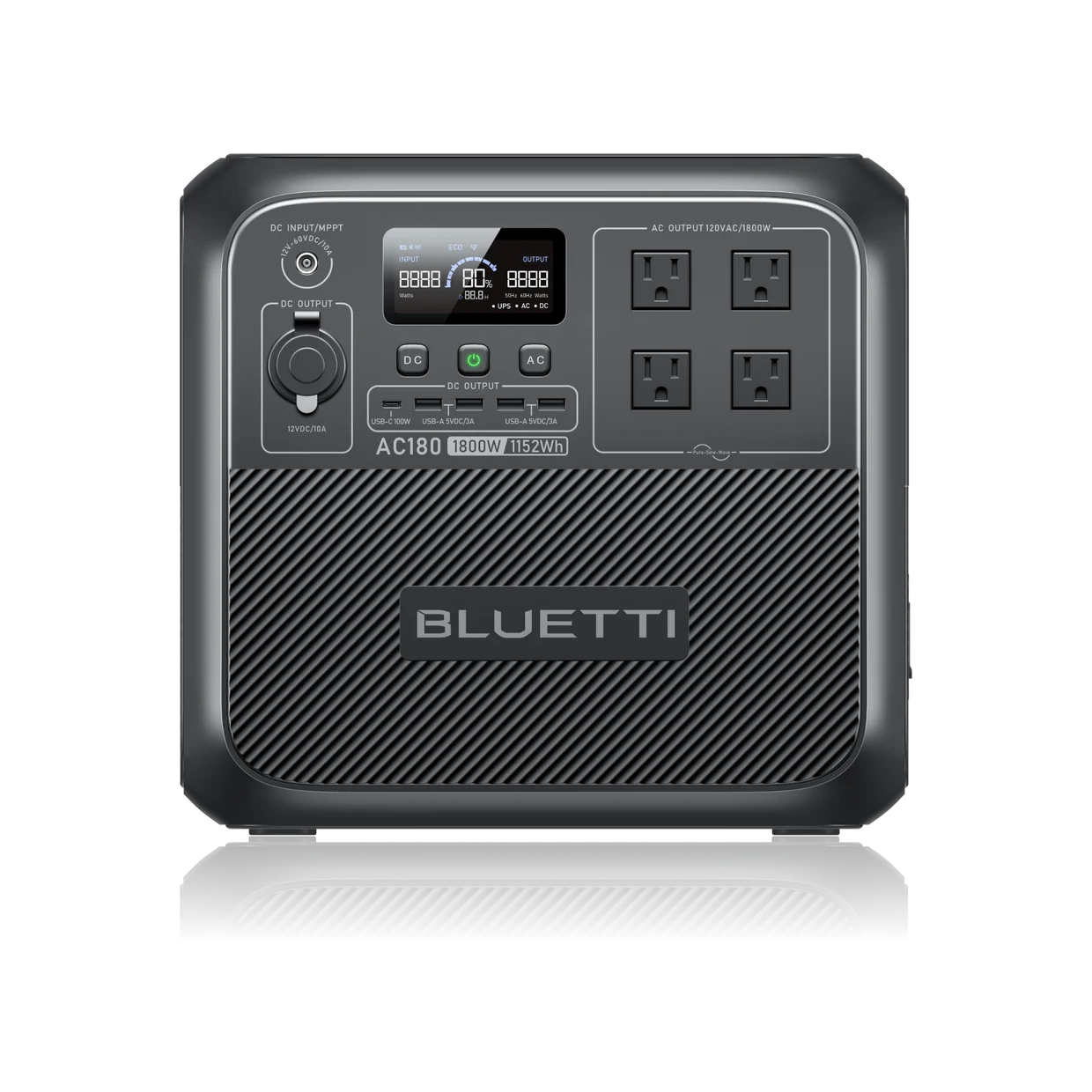 | 1,152 Wh | 1,800 W | 17.7 hours | Check BLUETTI |
Runtime uses the visible refrigerator planning profile, 90% usable capacity, and 88% AC conversion efficiency. It is not a measured result. Merchant links are direct and exclude Amazon.
When to move above the 1kWh class
Move to a larger battery when one full day exceeds roughly 800Wh of delivered AC energy, when high-power loads run for long periods, or when recharge access is uncertain. Do not solve an inverter-output mismatch by buying only more capacity. Output and energy remain separate.
Use the outage load planner for several appliances, the runtime calculator for one load, or compare the 2,000Wh class. The EcoFlow versus Anker comparison isolates two different 1kWh priorities. For a combustion load, begin with the pellet-stove backup shortlist and its controlled-shutdown requirements.
Browse the portable power guide hub for every completed capacity, appliance, and electrical guide.
1kWh product source ledger
Important fields are tied to a specific source. Manufacturer claims, government guidance, calculations, and planning assumptions remain separate.
- DELTA 3 Plus product specifications
EcoFlow US
US product page. Capacity, output, solar input, cycle life, weight, UPS, and warranty checked.
official product page
US manual. Capacity, chemistry, AC output, solar envelope, weight, UPS, and Power Lifting limitation checked.
official manual
- Elite 100 V2 product page
BLUETTI US
Cycle-life claim and current merchant destination checked.
official product page
- C1000 Gen 2 product specifications
Anker SOLIX US
US page. Capacity, output, peak, input, weight, UPS, and charging claims checked.
official product page
- Portable power station collection
Anker SOLIX US
Official US collection page. Current direct C1000 Gen 2 price checked.
official product page
- C1000 Gen 2 battery support record
Anker SOLIX Support
Battery chemistry and cycle-retention claim checked.
official support
Capacity, output, peak, chemistry, cycle life, weight, input, and ports checked.
official product page
UPS transfer time, warranty, and accessory-based solar ceiling checked.
official support
- Anker SOLIX C1000 specifications
Anker SOLIX US
Full published specification table: capacity, chemistry, cycle life, continuous and surge output, solar and AC input, UPS, weight, and warranty.
official product page
- Explorer 1000 v2 product specifications
Jackery US
US product page. Capacity, output, peak, chemistry, cycle life, weight, and warranty checked.
official product page
- Explorer 1000 v2 basic information
Jackery Support
Solar voltage, current, and 400W combined input limit checked.
official support
- AC180 published specifications
BLUETTI US
Capacity, output, surge, chemistry, cycle life, solar input, weight, and warranty checked.
official product page
- AC180 user manual
BLUETTI
UPS transfer time and DC input interface checked.
official manual