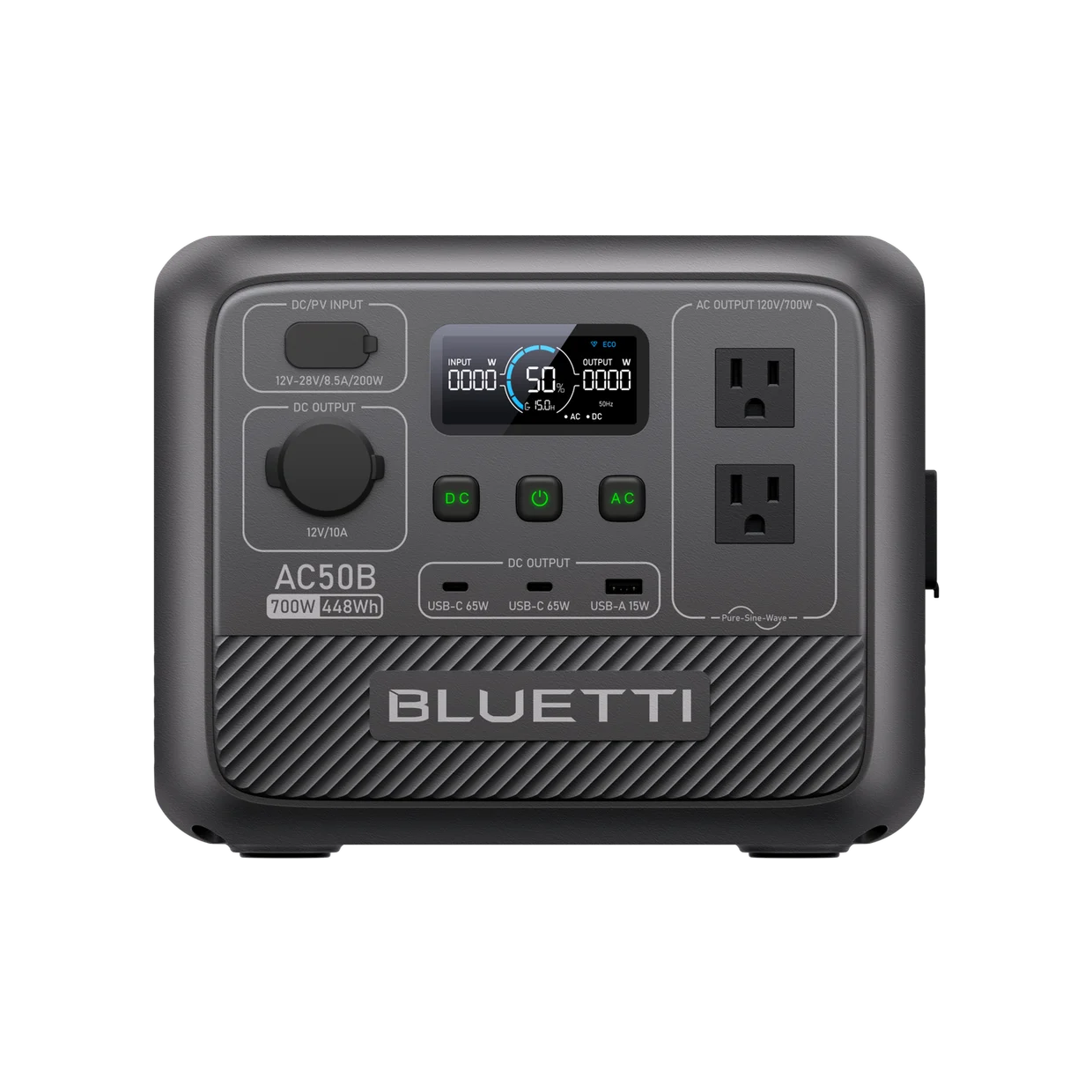
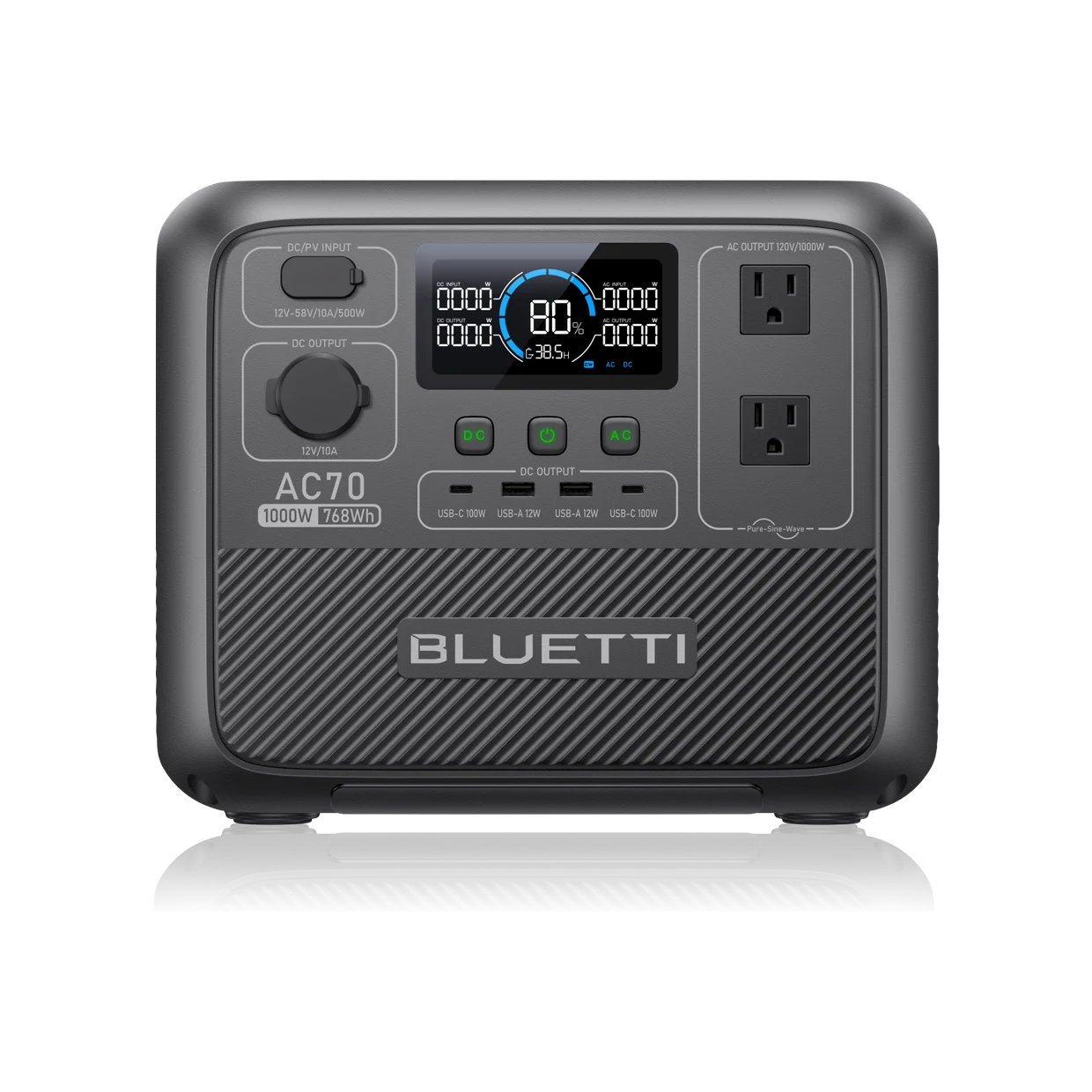
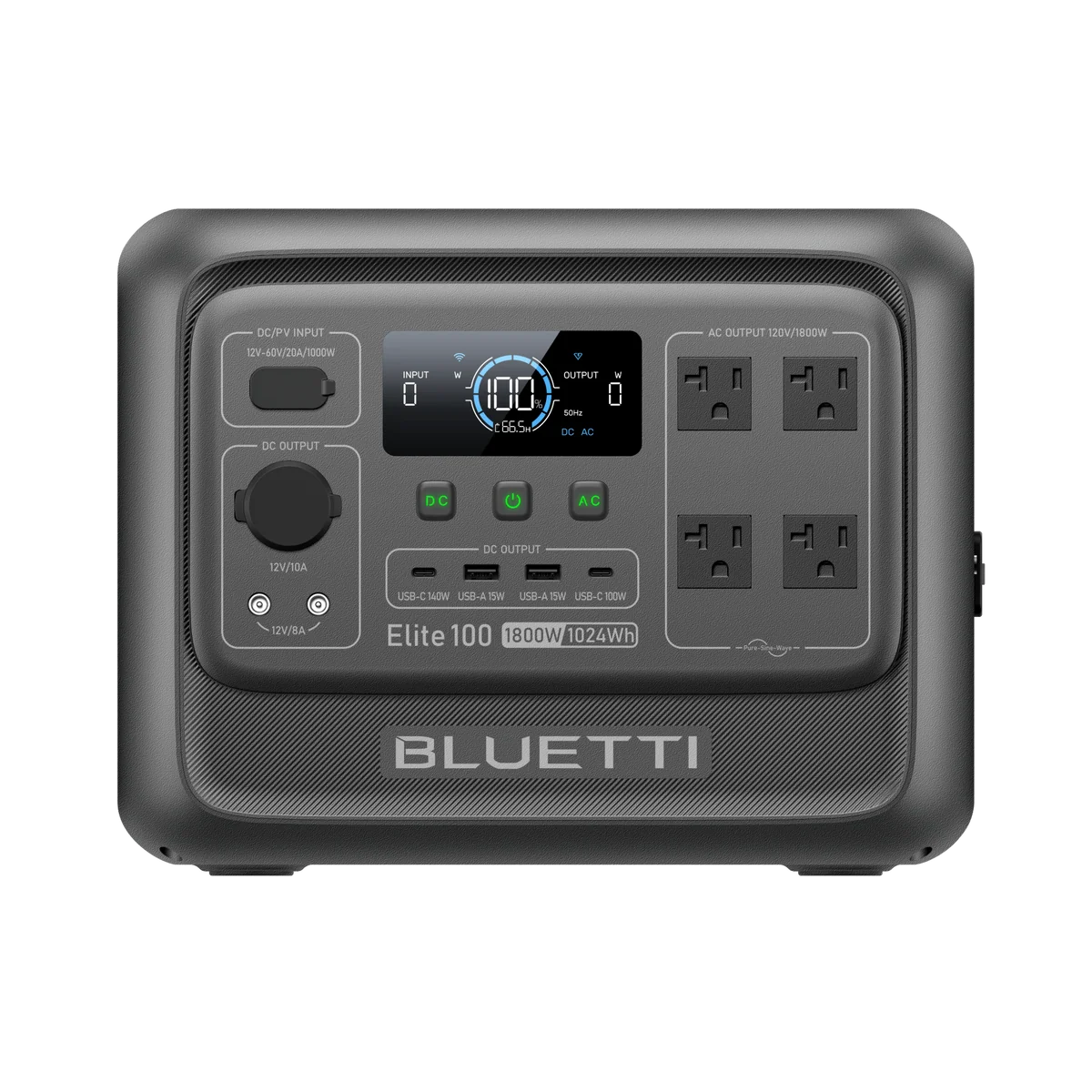
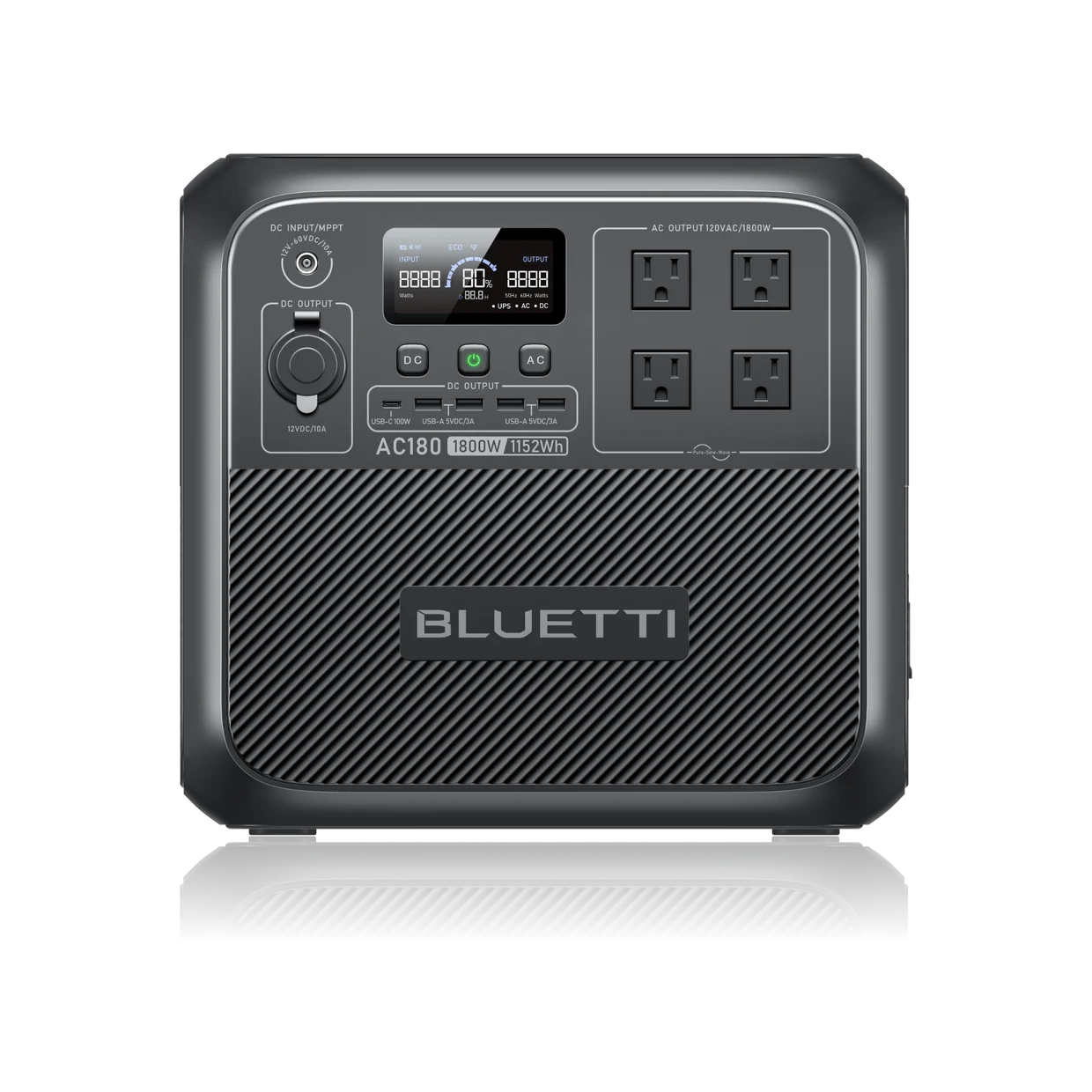
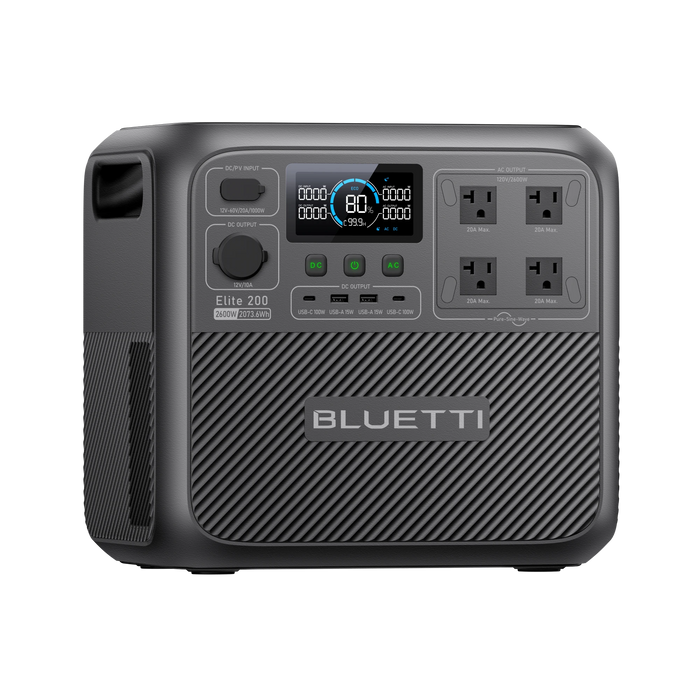
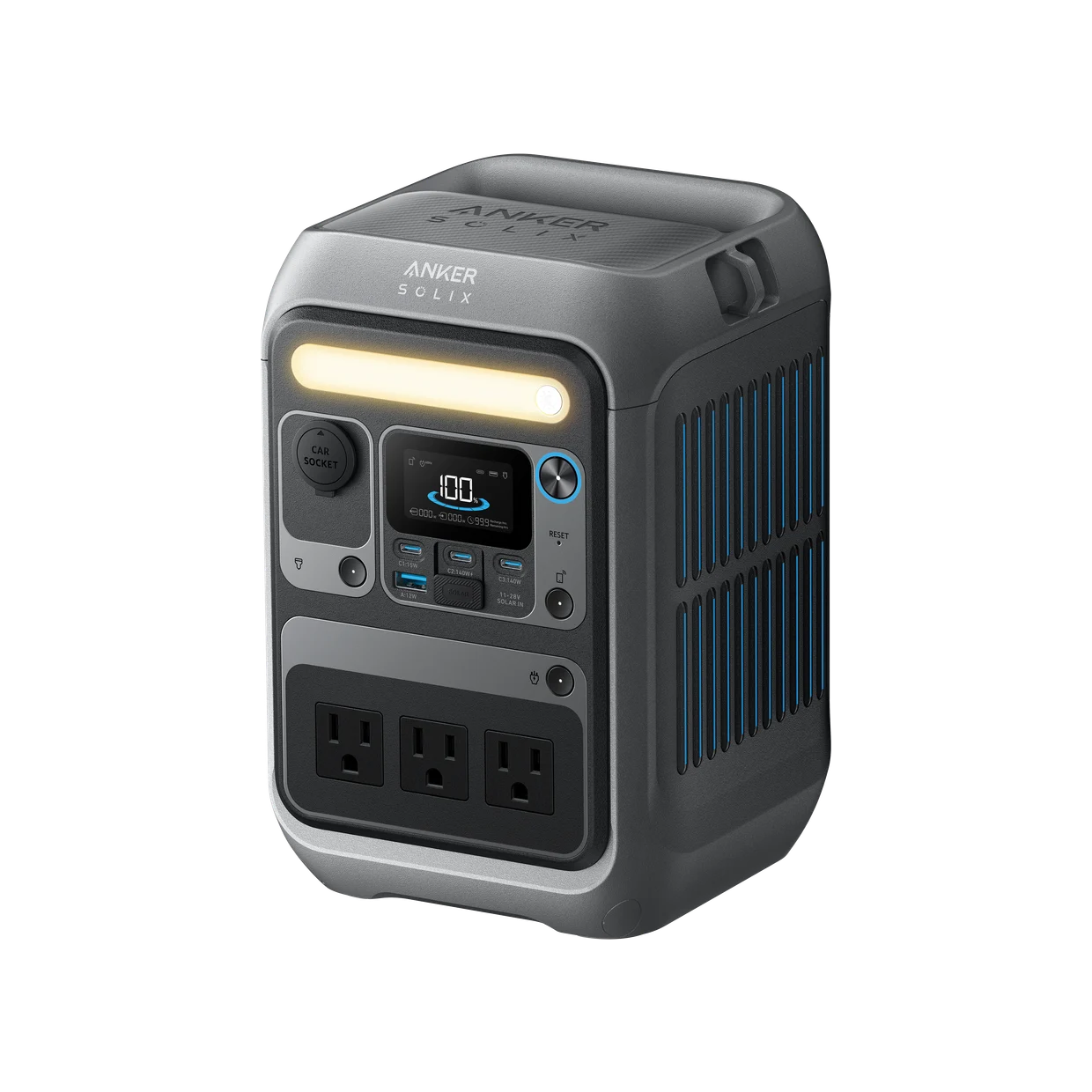
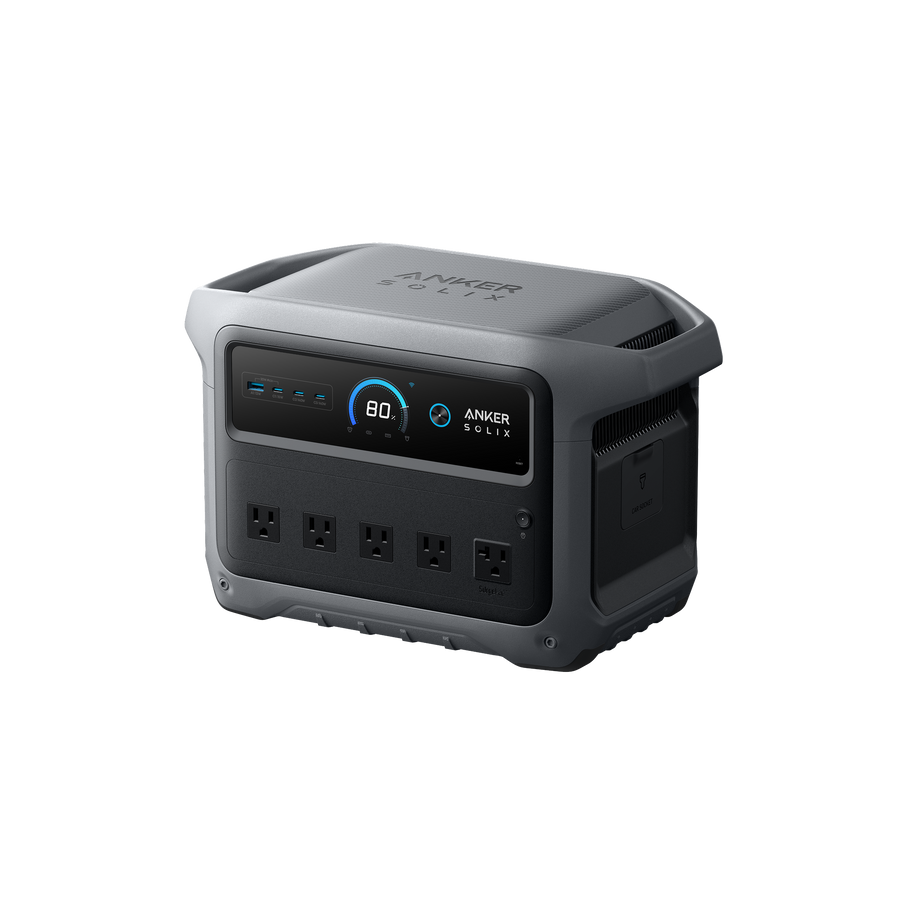
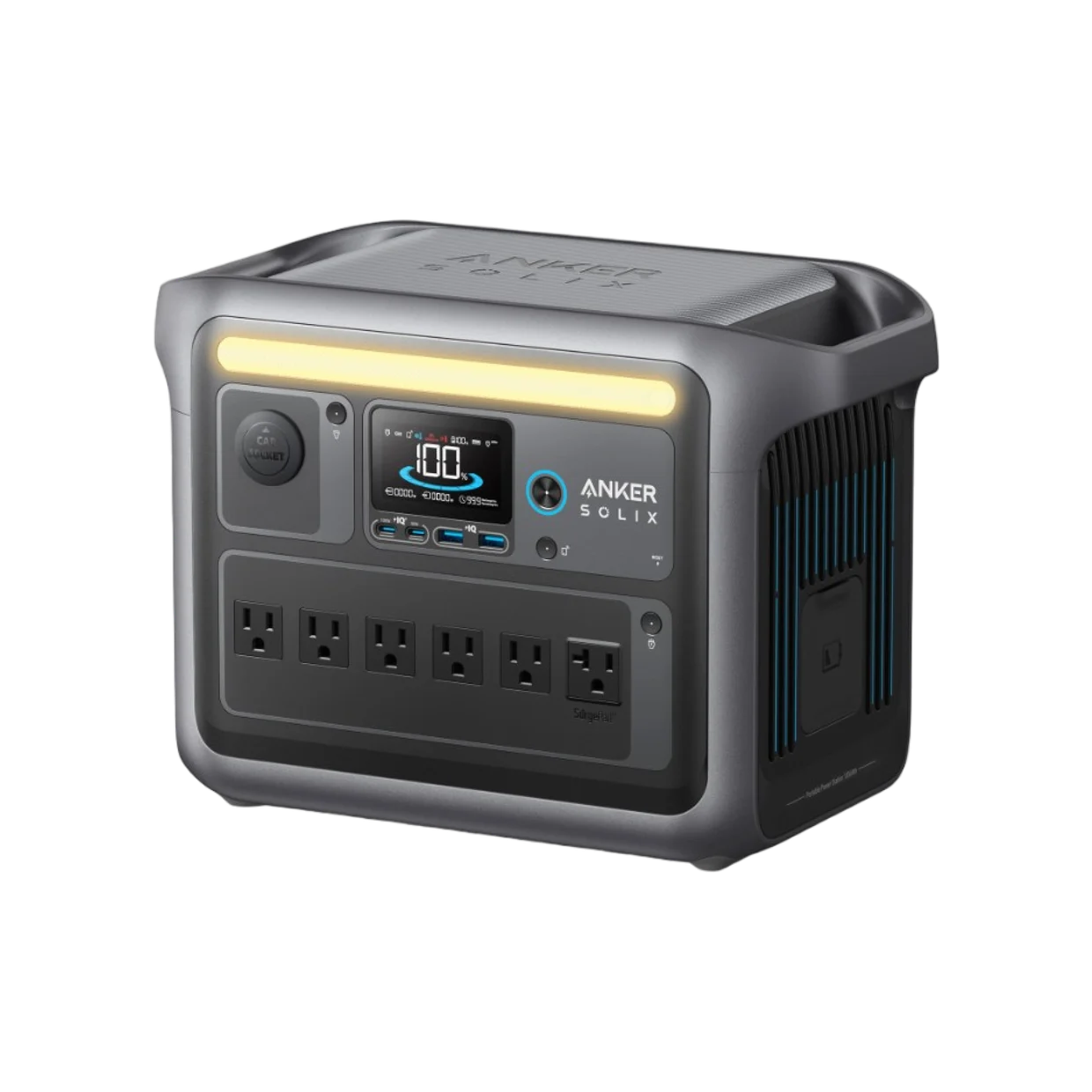
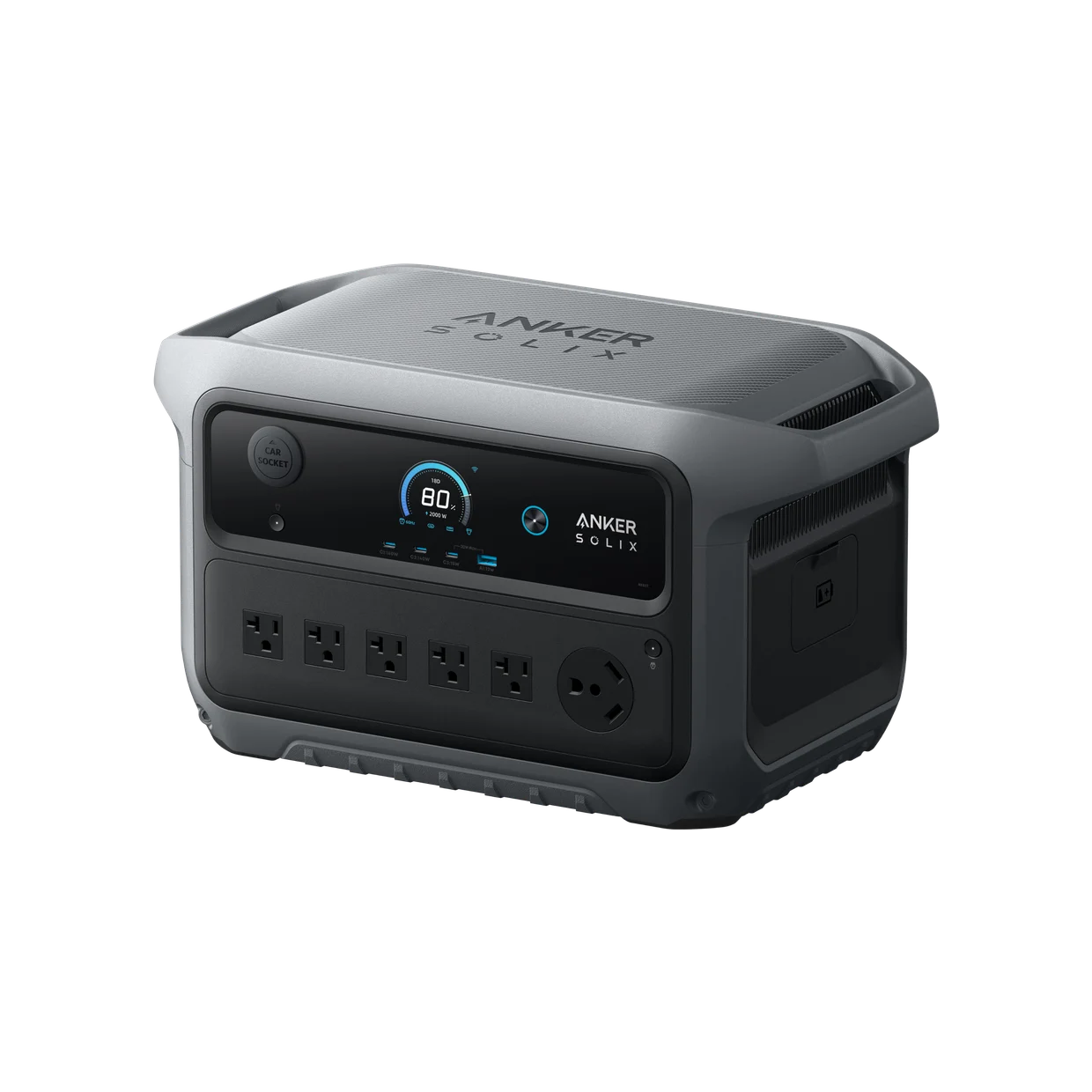
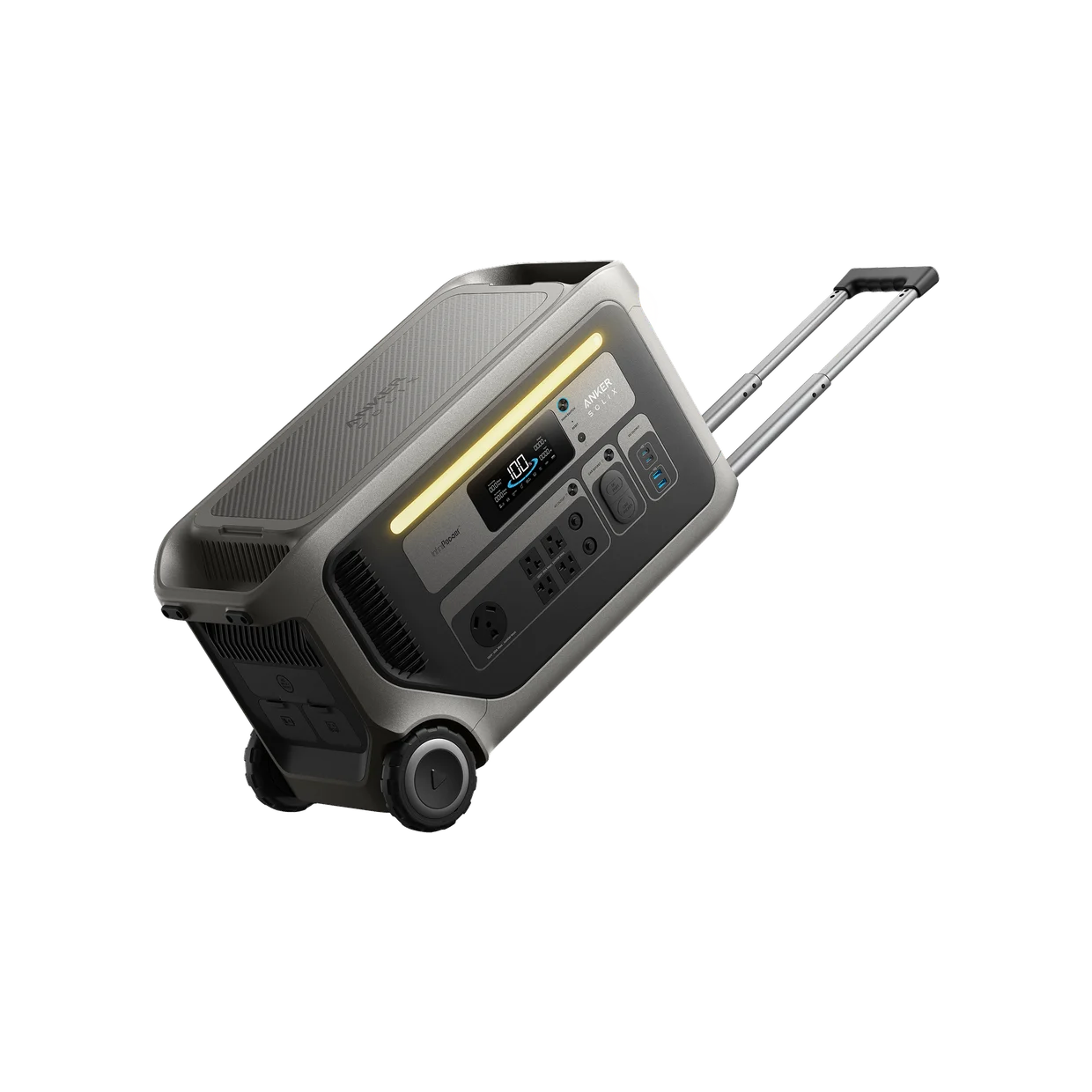
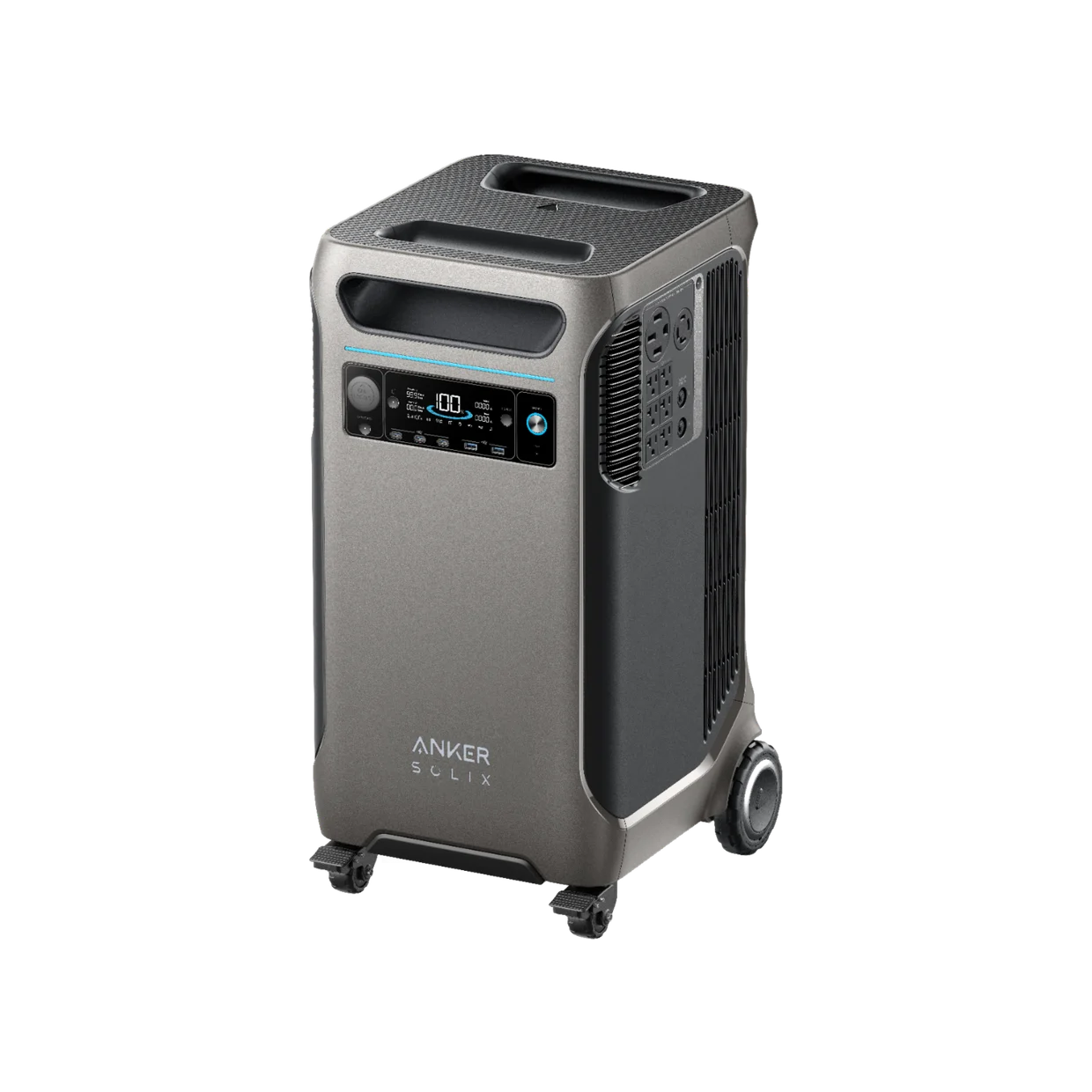
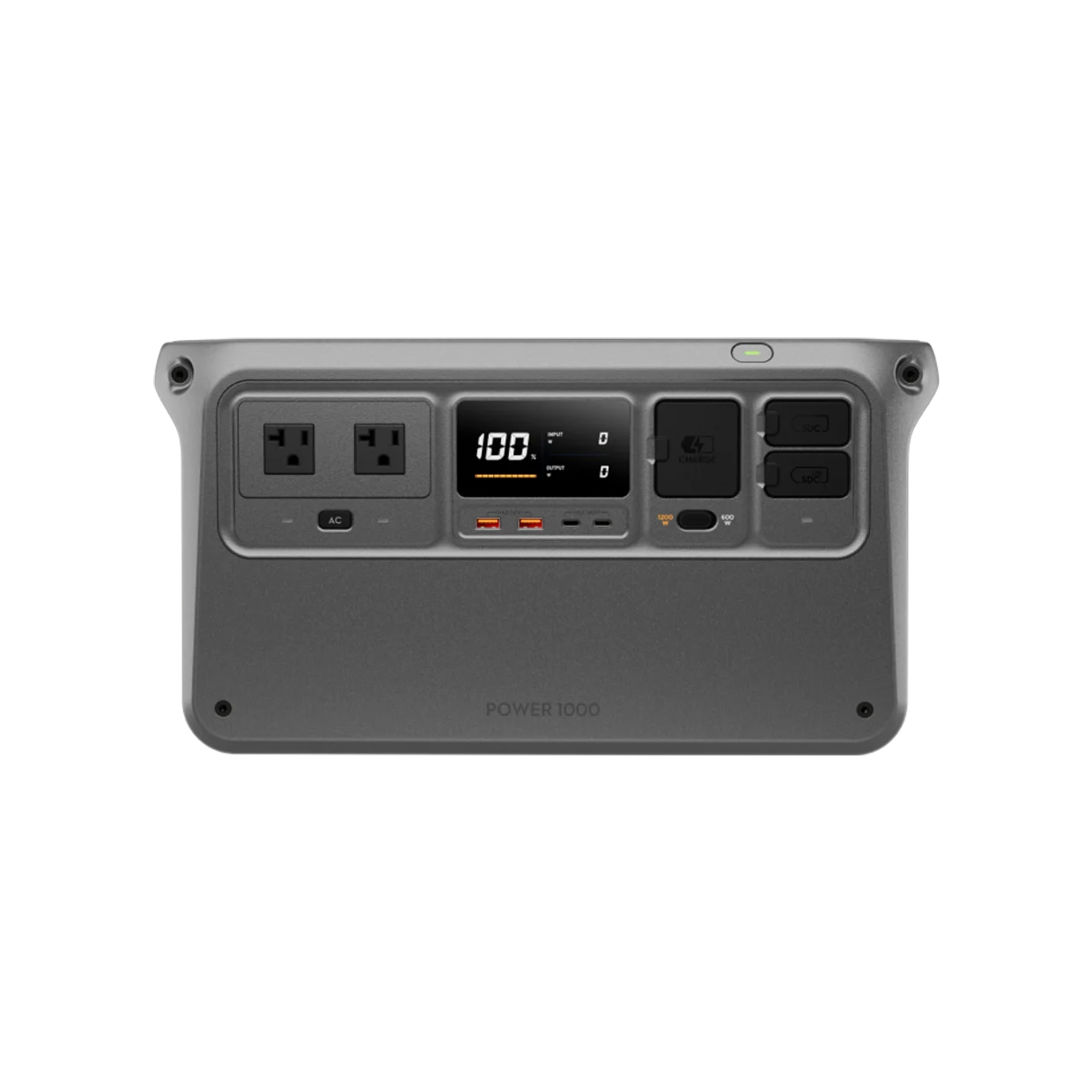
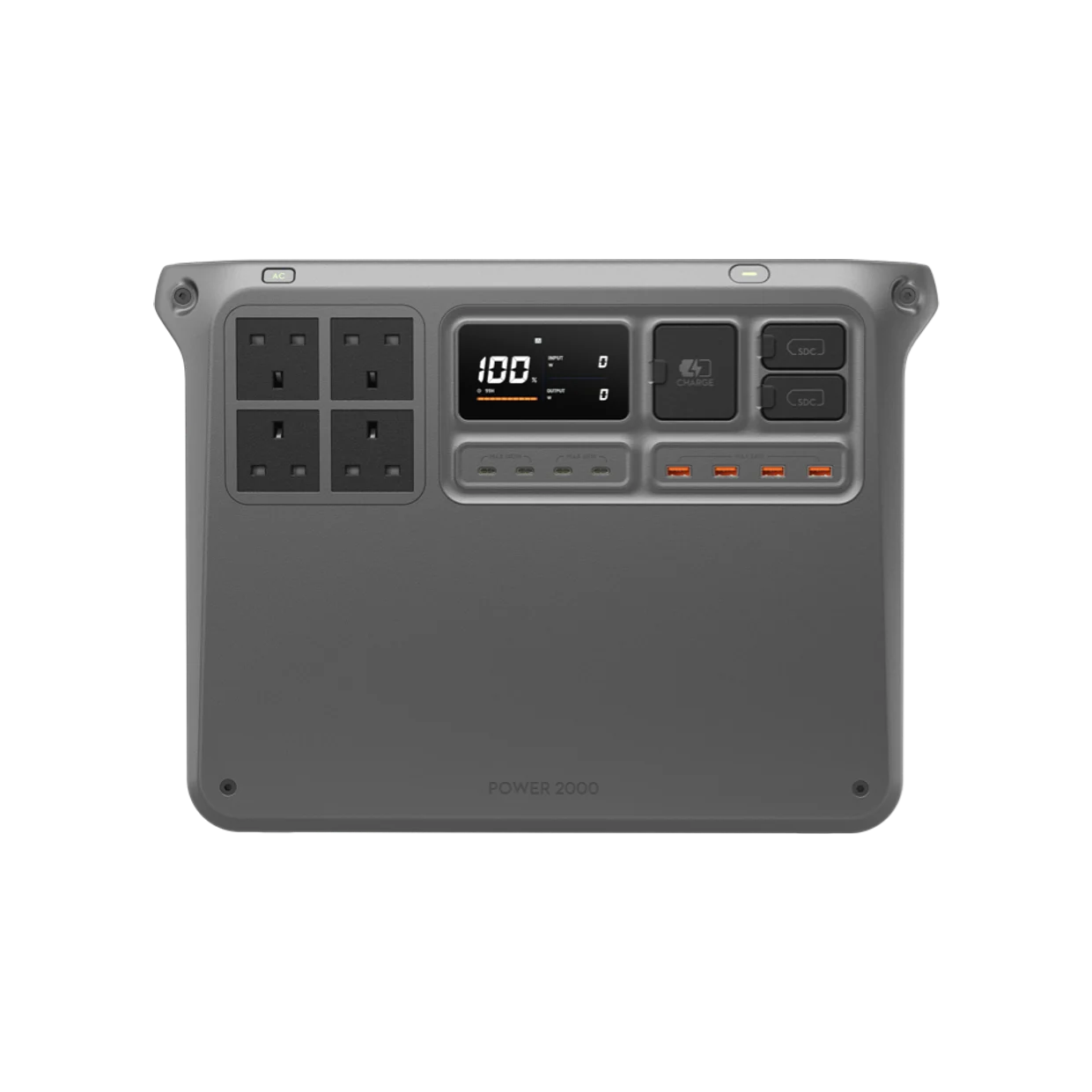
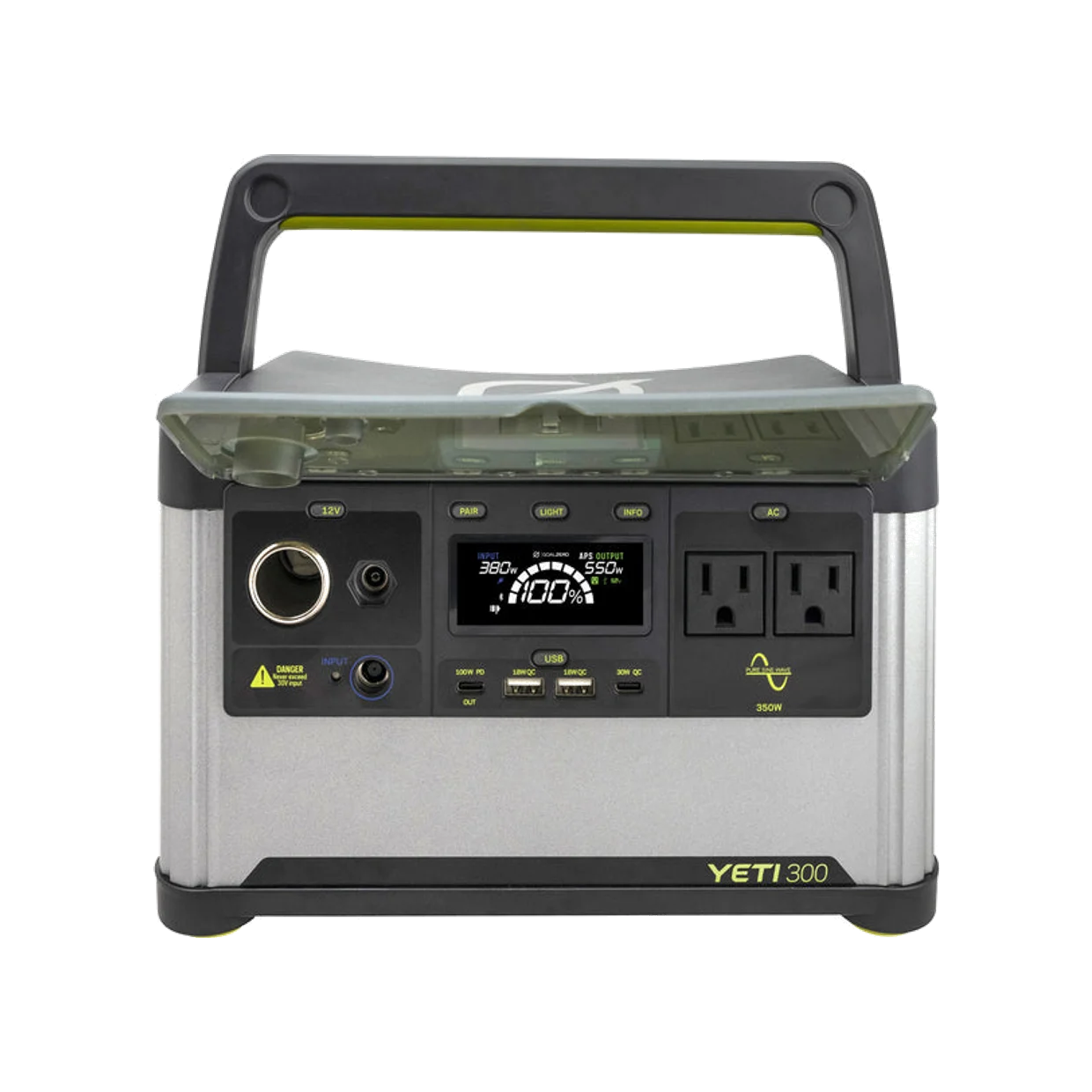
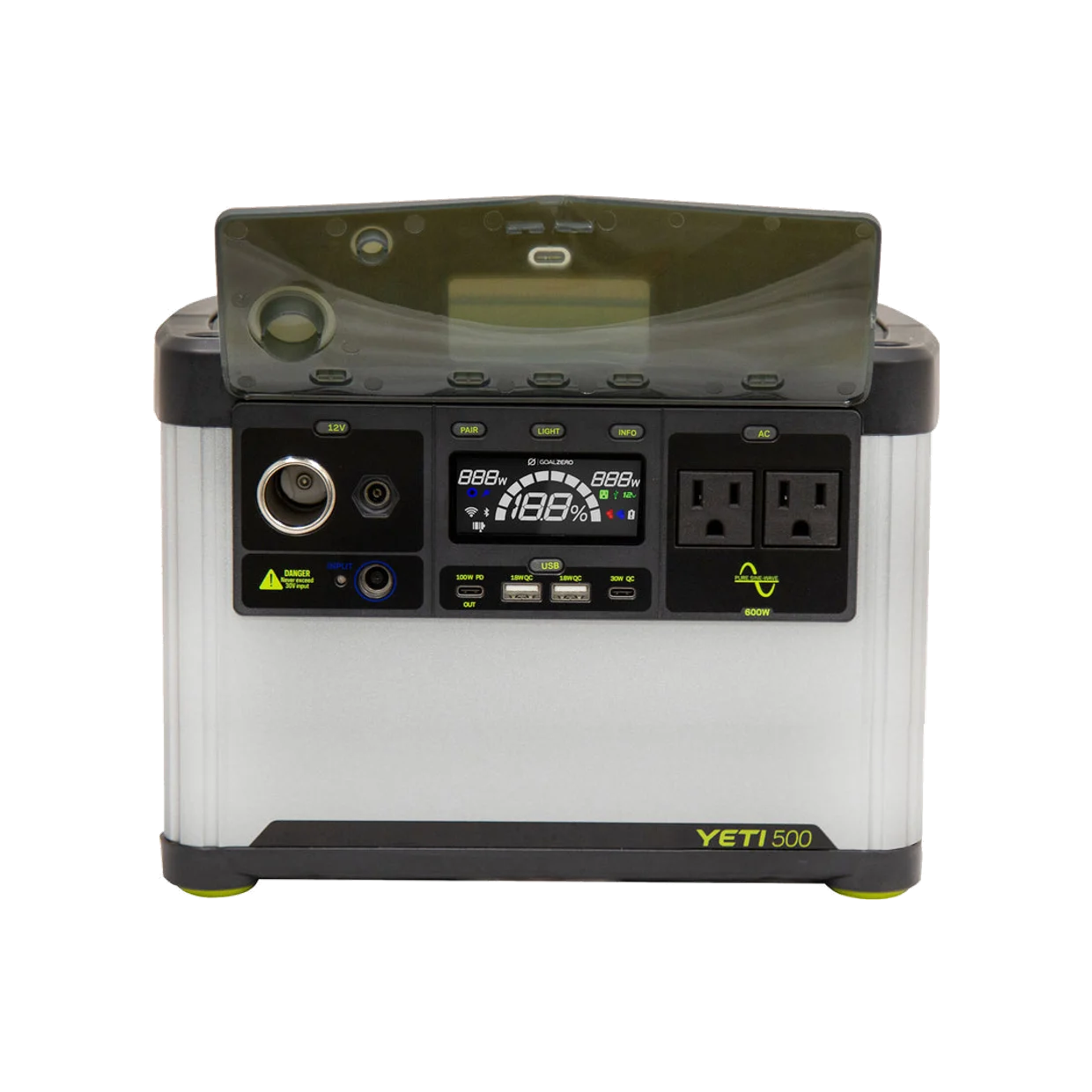
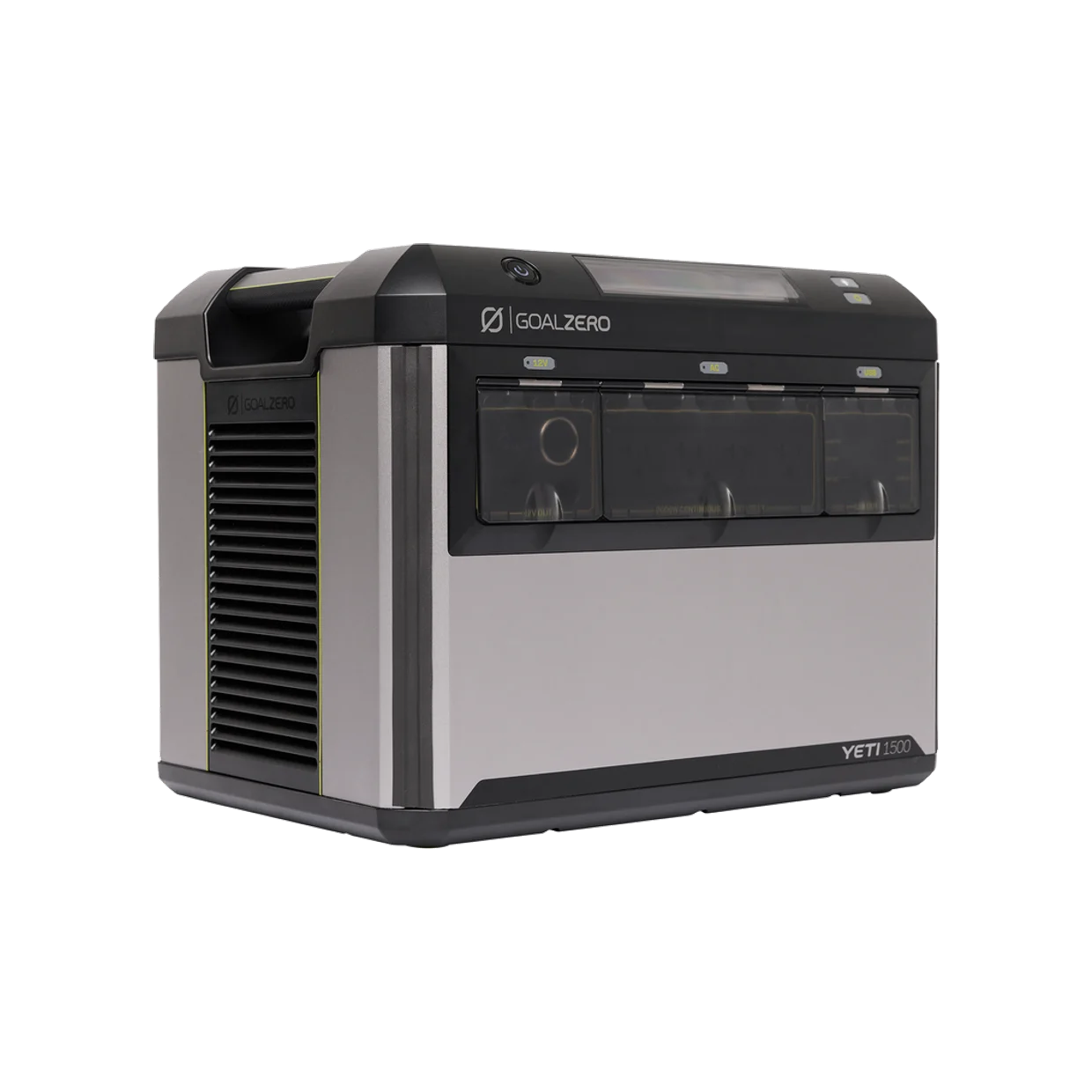
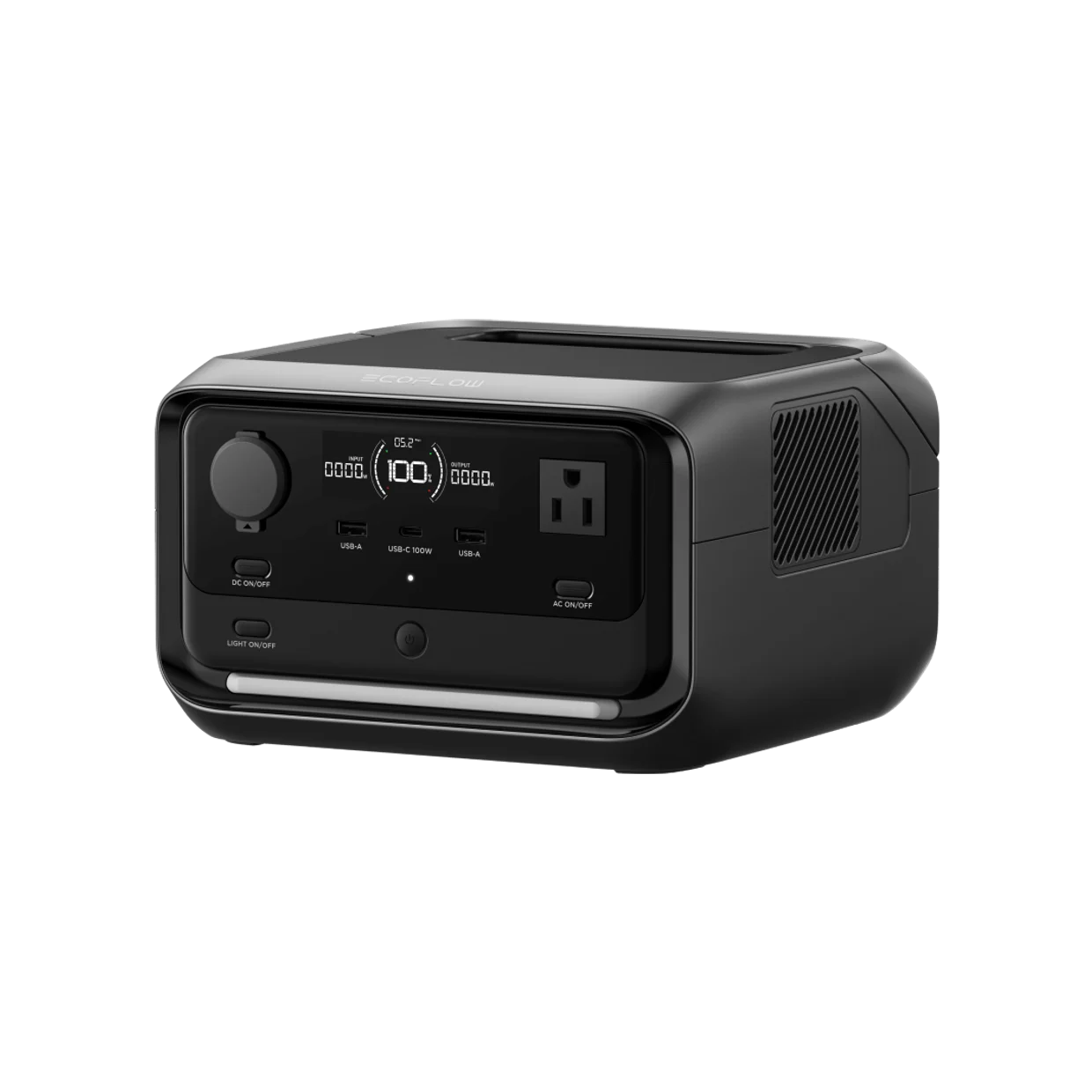
300Wh class
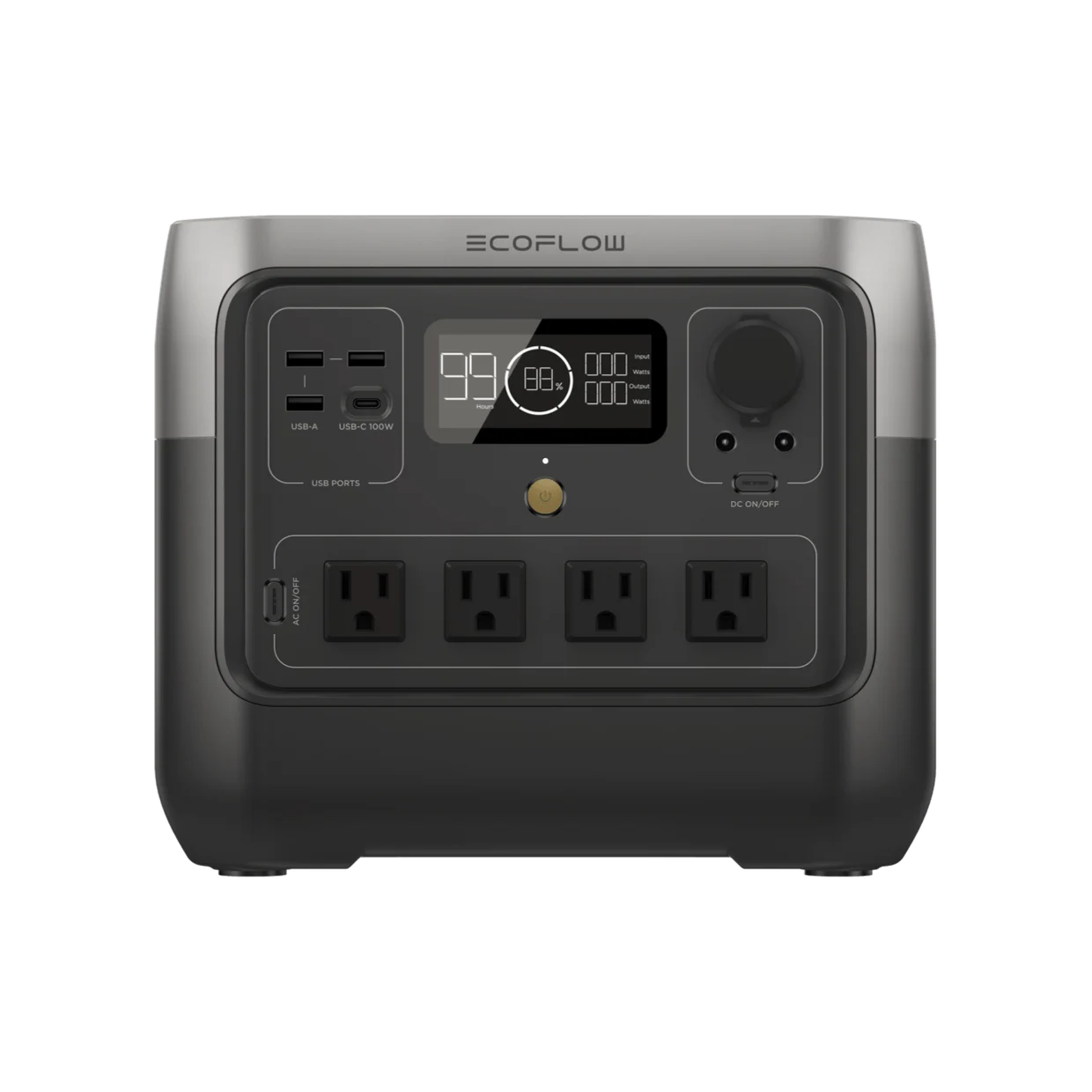
EcoFlow RIVER 3 Plus
An expandable compact LFP station with three AC outlets and a published surge rating.
- Capacity
- 286 Wh
- AC output
- 600 W
- Solar
- 220 W
- Weight
- 10.4 lb
Independent product records
28 completed records, normalized into 2 capacity classes. Compare output, charging, weight, and evidence without manufacturer claims blurring the differences.
Bars share a 3,000W reference ceiling. Capacity and output remain separate electrical gates.

300Wh class
An expandable compact LFP station with three AC outlets and a published surge rating.

800Wh class
An LFP station with a published solar input envelope and general surge rating.

1,000Wh class
The most flexible expansion path in this launch group, with a strong 1,000W solar ceiling and six AC outlets.

2,000Wh class
A high-output 2kWh station with 3,000W continuous AC output, 1,000W solar input, and a documented sub-10ms transfer mode.

4,000Wh class
An expandable LFP station with genuine dual-voltage output and two documented solar input ranges.

1,000Wh class
The lightest record here, with slightly more stored energy than the 1,024Wh group and a straightforward 1,500W inverter.

2,000Wh class
The lightest of the source-reviewed 2kWh records, with a 2,200W inverter and a published 4,400W surge peak.

2,000Wh class
An expandable LFP station with five published AC outlets and a documented general surge rating.

5,000Wh class
A high-capacity LFP station with genuine dual-voltage output and separate high- and low-voltage solar inputs.

500Wh class
A compact LFP station with a published solar current limit and fast transfer mode.

800Wh class
An LFP station with a published surge rating, solar input envelope, and power-bank expansion support.

1,000Wh class
The strongest solar-input-to-weight combination in this set, backed by a manual that publishes its runtime equation and self-consumption assumption.

1,000Wh class
A four-outlet LFP station with a published general surge rating and a documented DC7909 solar input.

2,000Wh class
A long-cycle-life 2kWh record with 2,600W continuous output and a 1,000W solar ceiling documented in the official manual.

300Wh class
A 9 lb LFP station with a built-in light bar and a sub-10ms transfer time, aimed at small loads rather than household backup.

1,000Wh class
The highest continuous output in this group, with a compact 24.9 lb chassis and a manufacturer-stated 49-minute fast-charge mode.

1,000Wh class
The expandable sibling of the C1000 Gen 2, trading the newer unit’s faster recharge for a documented capacity expansion path.

2,000Wh class
A 2kWh station with a TT-30 outlet and a documented 10ms transfer, expandable to roughly 4kWh.

3,000Wh class
A 3kWh home-backup station with dual solar input ranges and a published 7,200W surge, rated for pass-through charging from a generator.

4,000Wh class
A wheeled 3.8kWh station with genuine 120V and 240V output, a NEMA 14-50 outlet, and a published 9,000W surge.

500Wh class
A compact LFP station with a published continuous AC rating and accessory-based solar charging.

1,000Wh class
A two-outlet LFP station with a published peak rating and modular solar charging.

2,000Wh class
An expandable LFP station with four AC outlets and accessory-based high-power solar charging.

300Wh class
A 13.7 lb LFP station with a published solar voltage window, suited to electronics rather than household loads.

500Wh class
A 16 lb LFP station with a 500W inverter and a documented 100W USB-C output.

500Wh class
A compact 677Wh station whose 600W inverter sits just below the threshold most compressor loads require.

1,500Wh class
A 1.5kWh LFP station with a 2,000W inverter and a published 900W combined solar and DC input.

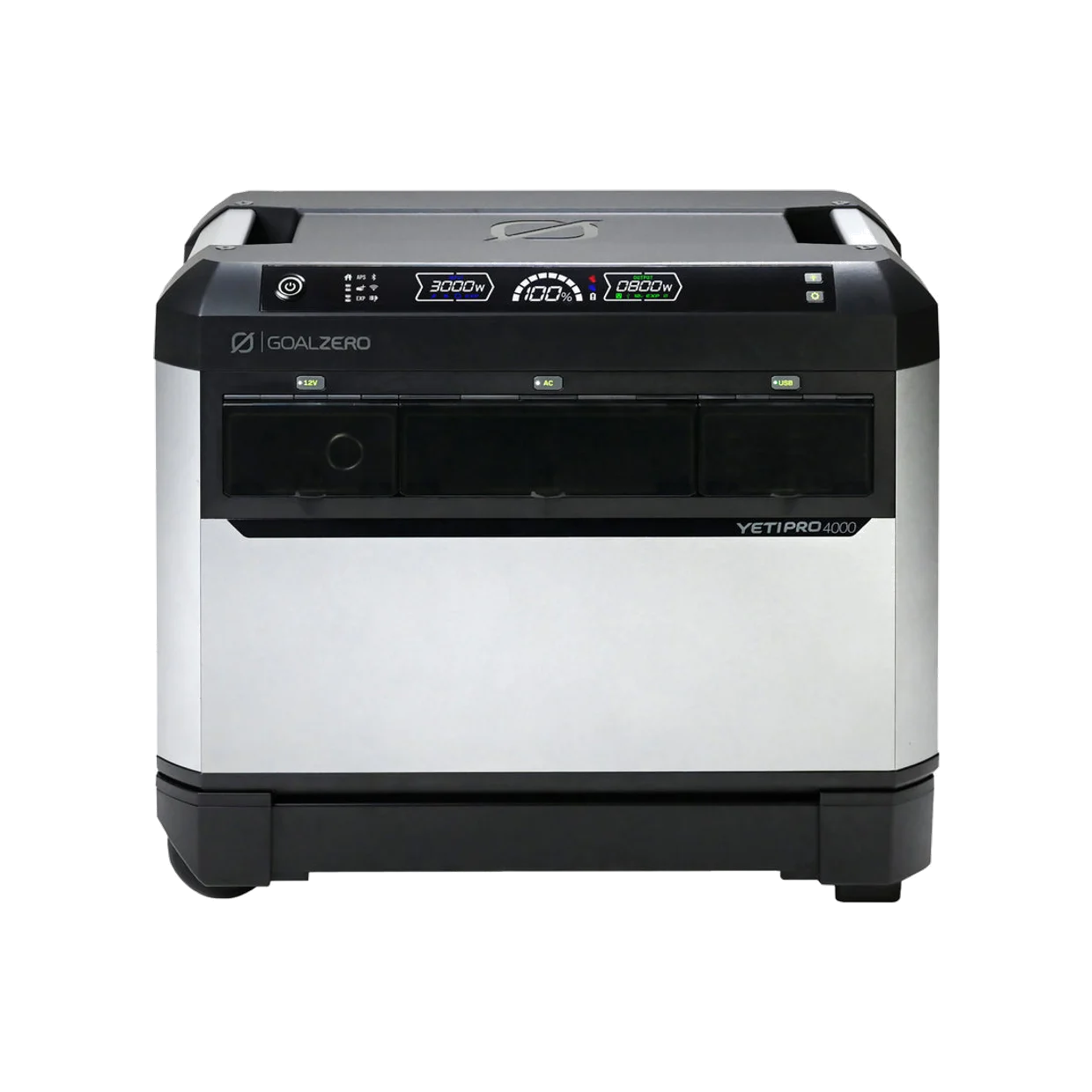
4,000Wh class
A 4kWh station with a 3,600W inverter and an unusually wide 13.3V to 150V high-voltage solar input accepting up to 3,000W.
Publication standard
Capacity, continuous AC output, chemistry, solar input, weight, cycle-life claims, and operating limitations are checked against official pages, manuals, or support records. Missing values stay missing. Boost modes are not quietly substituted for general surge ratings.
That standard decides what can be answered. A station whose maker publishes the full solar input envelope, not just a watt ceiling, gets a solar panel compatibility page that checks real panels against it on voltage, cold-weather voltage rise, current, and connector.
Read the source and verification policy