Our answer
Start with the stove manufacturer's approved backup method. Harman documents 700W, 750W, and 1,000W inverter/charger options for specific systems, while a basic UPS is described as a safe-shutdown tool rather than an all-night heating solution.
Why a pellet stove is different from a space heater
The heat comes from fuel, but the appliance still depends on motors, controls, and feed components. A battery sized only from an average watt figure can miss startup behavior or the energy needed for a controlled shutdown.
Do not assume a generic computer UPS can operate the stove for hours. Manufacturer guidance may limit a UPS to shutdown protection and specify a separate inverter/charger and deep-cycle battery arrangement for continued use.
How to size the backup system
Identify the exact stove model and read its backup-power instructions. Record the operating mode, ignition load, blower load, fuel-feed behavior, required waveform, and any control setting required for a backup source.
- Choose the outage objective: safe shutdown, one heating cycle, overnight operation, or multi-day coverage.
- Measure a complete cycle if the manufacturer permits it.
- Keep at least 20% energy reserve for cold, battery age, and a longer shutdown.
- Test the approved setup before heating season.
What 1kWh can and cannot tell you
A 1kWh station may have enough stored energy for several hours, but capacity alone does not prove compatibility. The inverter must clear every operating state and deliver the waveform the control board expects.
Use the runtime calculator only after entering measured energy or a model-specific load. The 1,000W Harman backup option is an inverter rating, not proof that the stove continuously consumes 1,000W.
Source-reviewed candidates
Compare the relevant product records
| Product and use | Capacity | Continuous AC | Peak AC | Weight | Direct manufacturer |
|---|---|---|---|---|---|
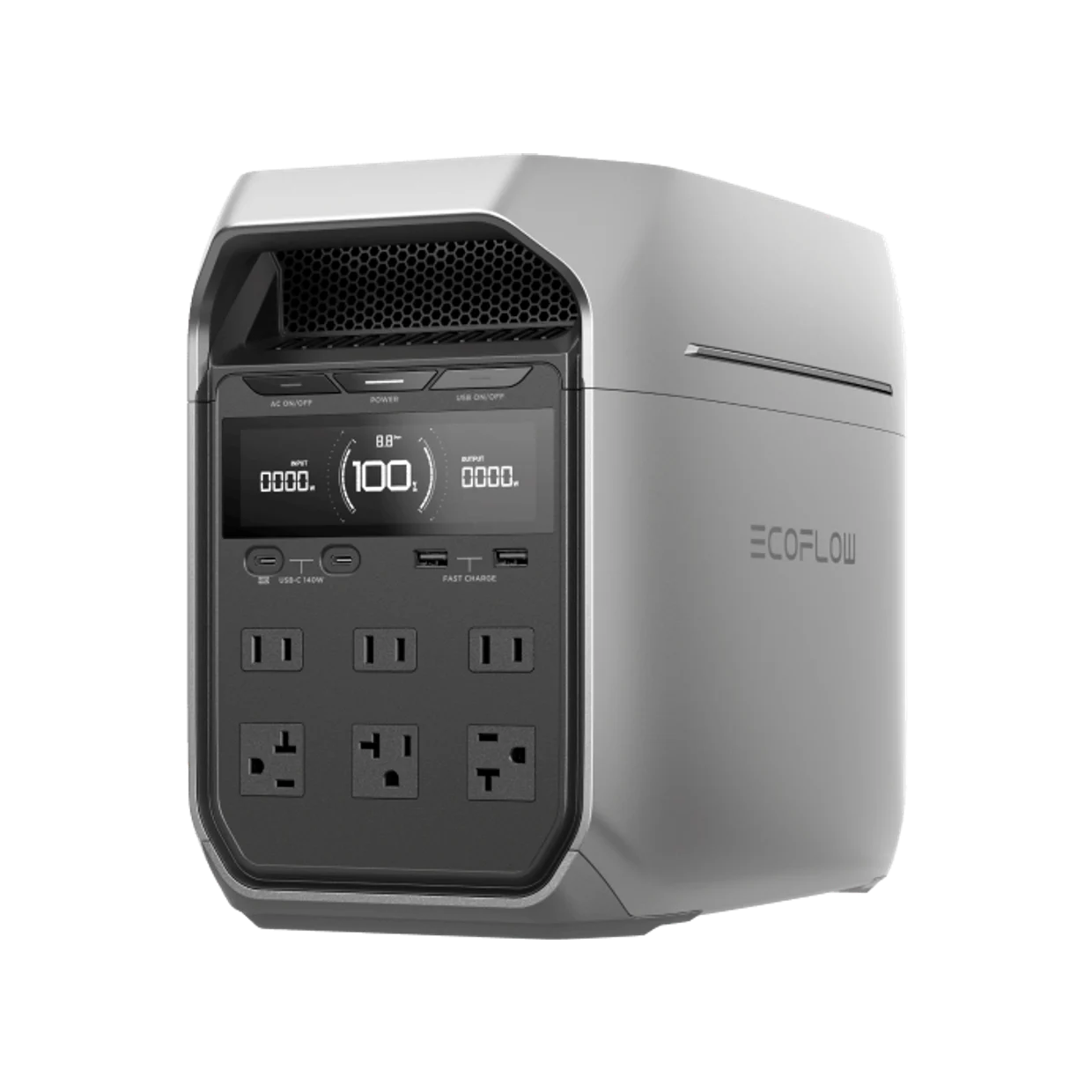 | 1,024 Wh | 1,800 W | 3,600 W | 27.6 lb | Check EcoFlow |
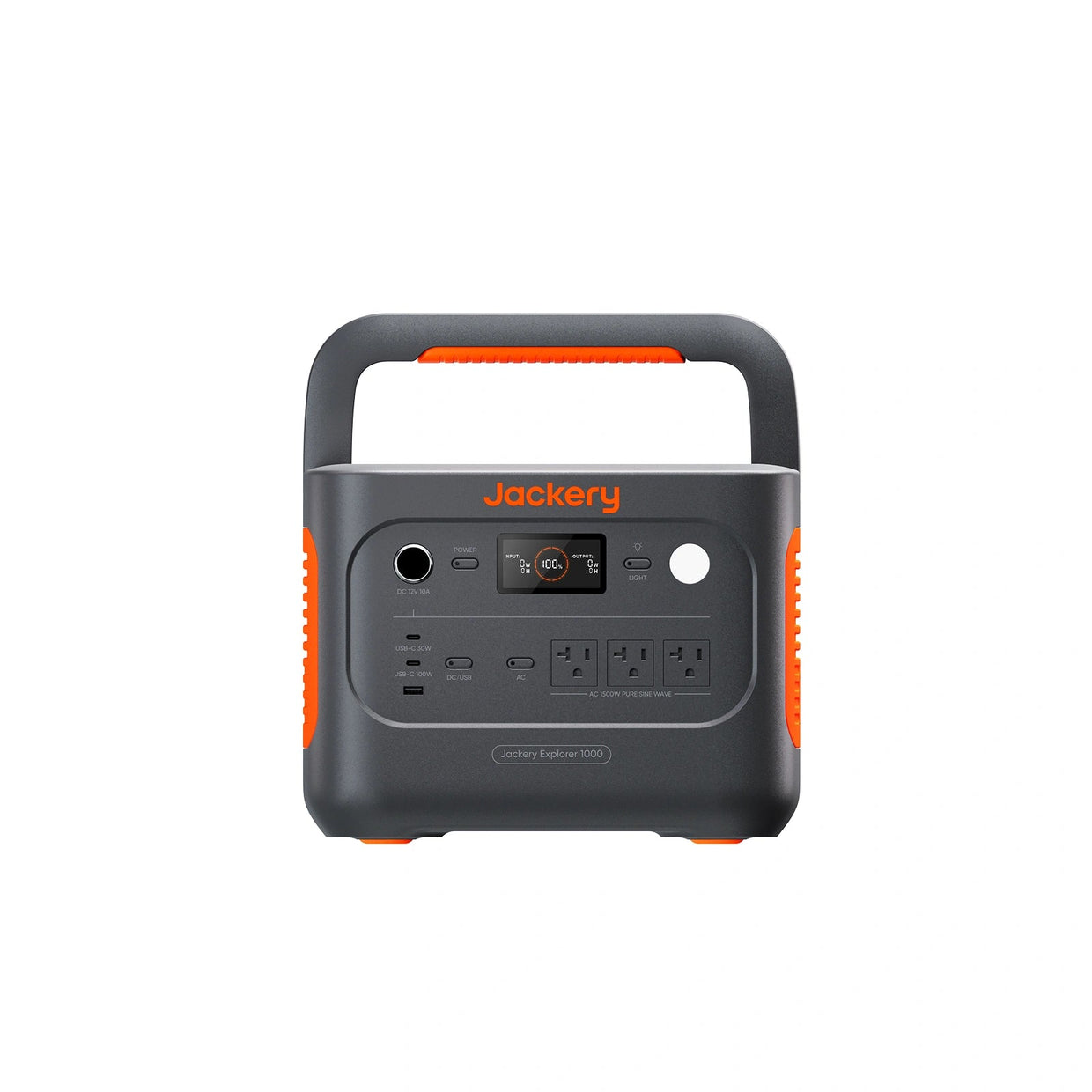 | 1,070 Wh | 1,500 W | 3,000 W | 23.8 lb | Check Jackery |
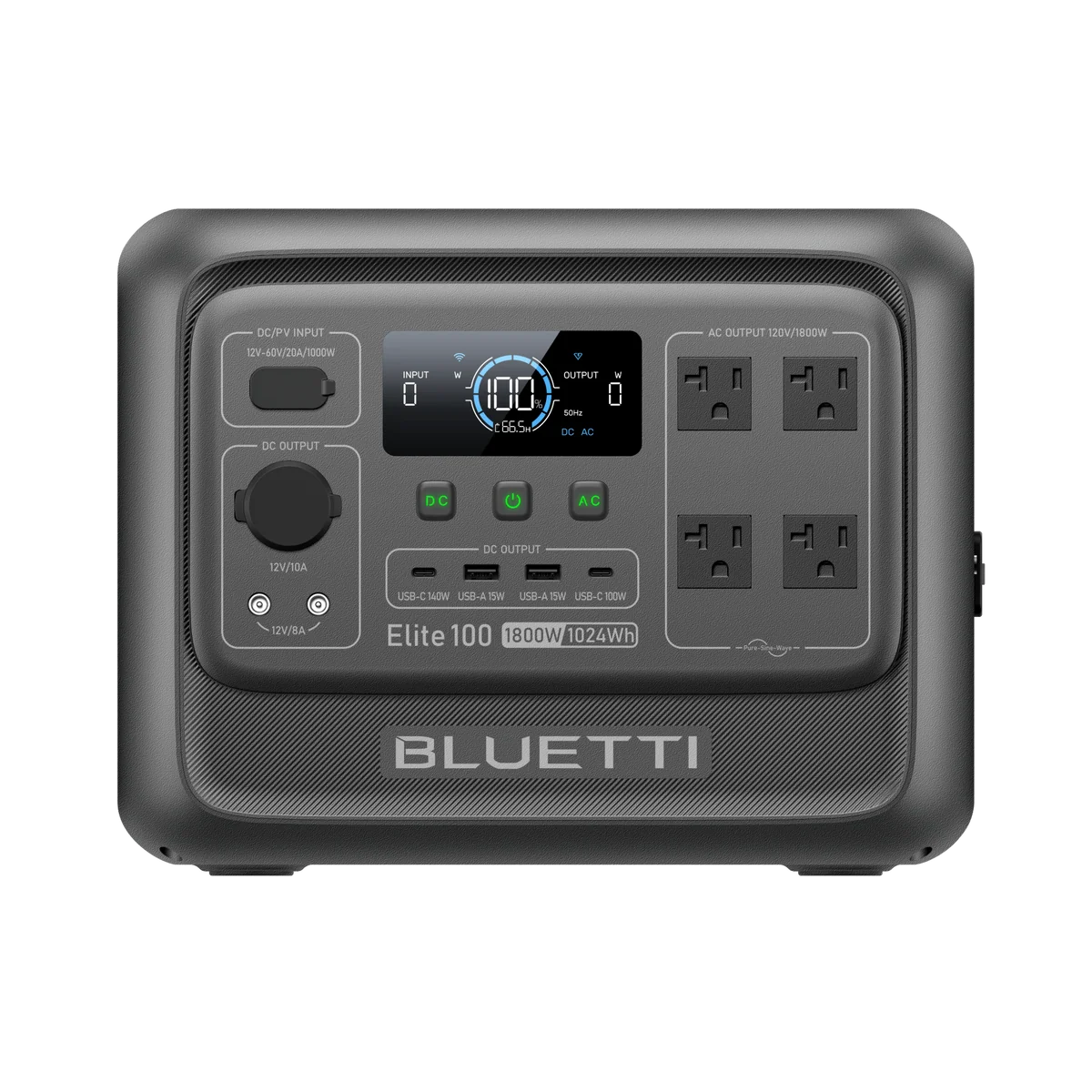 | 1,024 Wh | 1,800 W | Not published | 25.3 lb | Check BLUETTI |
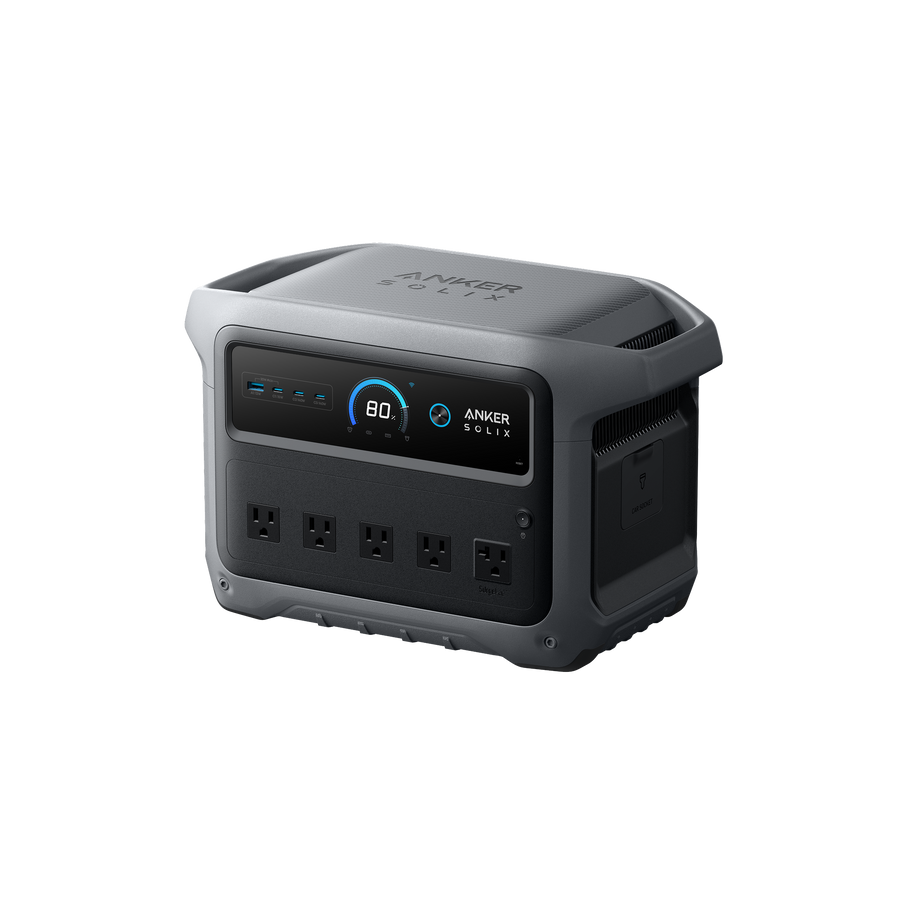 | 1,024 Wh | 2,000 W | 3,000 W | 24.9 lb | Check Anker |
Manufacturer boost modes are not substituted for a general surge rating. Direct manufacturer links exclude Amazon.
Questions that change the decision
Can a UPS run a pellet stove all night?
Not automatically. Harman describes a UPS as a safe-shutdown option and documents inverter/charger arrangements for continued operation. Follow the instructions for the exact stove.
Is 1,000W the running wattage of a pellet stove?
No. In the cited Harman guide, 1,000W is an approved inverter/charger rating. Measure or source the actual stove cycle separately.
Continue through this cluster
Use the next page that answers your unresolved constraint
Evidence used on this page
Important fields are tied to a specific source. Manufacturer claims, government guidance, calculations, and planning assumptions remain separate.
Manufacturer guidance distinguishes safe shutdown from continued operation and documents tested 700W, 750W, and 1,000W inverter/charger options.
official support
- Calculation and compatibility methodology
Power Station Station
Defines capacity, efficiency, reserve, duty-cycle, voltage, continuous-output, and startup checks used across the site.
planning assumption
- DELTA 3 Plus product specifications
EcoFlow US
US product page. Capacity, output, solar input, cycle life, weight, UPS, and warranty checked.
official product page
- Explorer 1000 v2 product specifications
Jackery US
US product page. Capacity, output, peak, chemistry, cycle life, weight, and warranty checked.
official product page
- Explorer 1000 v2 basic information
Jackery Support
Solar voltage, current, and 400W combined input limit checked.
official support
US manual. Capacity, chemistry, AC output, solar envelope, weight, UPS, and Power Lifting limitation checked.
official manual
- Elite 100 V2 product page
BLUETTI US
Cycle-life claim and current merchant destination checked.
official product page
- C1000 Gen 2 product specifications
Anker SOLIX US
US page. Capacity, output, peak, input, weight, UPS, and charging claims checked.
official product page
- Portable power station collection
Anker SOLIX US
Official US collection page. Current direct C1000 Gen 2 price checked.
official product page
- C1000 Gen 2 battery support record
Anker SOLIX Support
Battery chemistry and cycle-retention claim checked.
official support