Our answer
Do not size a furnace from one generic wattage. Read the blower and furnace nameplates, identify PSC or ECM motor behavior, measure each heating stage, and verify the approved transfer method with an HVAC technician or electrician.
Why furnace wattage varies
Residential furnace fans operate across different airflow modes and motor designs. A variable-speed ECM can behave differently from an older PSC motor, and duct resistance changes the operating point.
Measure heat mode specifically. Cooling airflow, continuous fan mode, and furnace startup can produce different readings. Capture more than one cycle on a cold day so the estimate reflects the actual stage sequence rather than a brief spot reading.
Compatibility is more than inverter watts
Some furnaces are sensitive to neutral-ground configuration or require a reference the portable source does not provide by default. Controls may also respond differently to transfer time and waveform quality.
Use listed transfer equipment and professional verification. A correct connection protects occupants, utility workers, and the equipment.
Size energy after the electrical checks
Once voltage, connection, waveform, and startup behavior pass, measure watt-hours across a representative cold-weather cycle. Add energy for thermostat, controls, ignition, and blower operation, then keep reserve for colder weather and battery age.
Calculate the entire outage plan rather than reserving the battery for the furnace on paper while connecting a refrigerator, router, lights, and chargers in practice. Simultaneous loads affect continuous output even when their daily energy looks modest.
Source-reviewed candidates
Compare the relevant product records
| Product and use | Capacity | Continuous AC | Peak AC | Weight | Direct manufacturer |
|---|---|---|---|---|---|
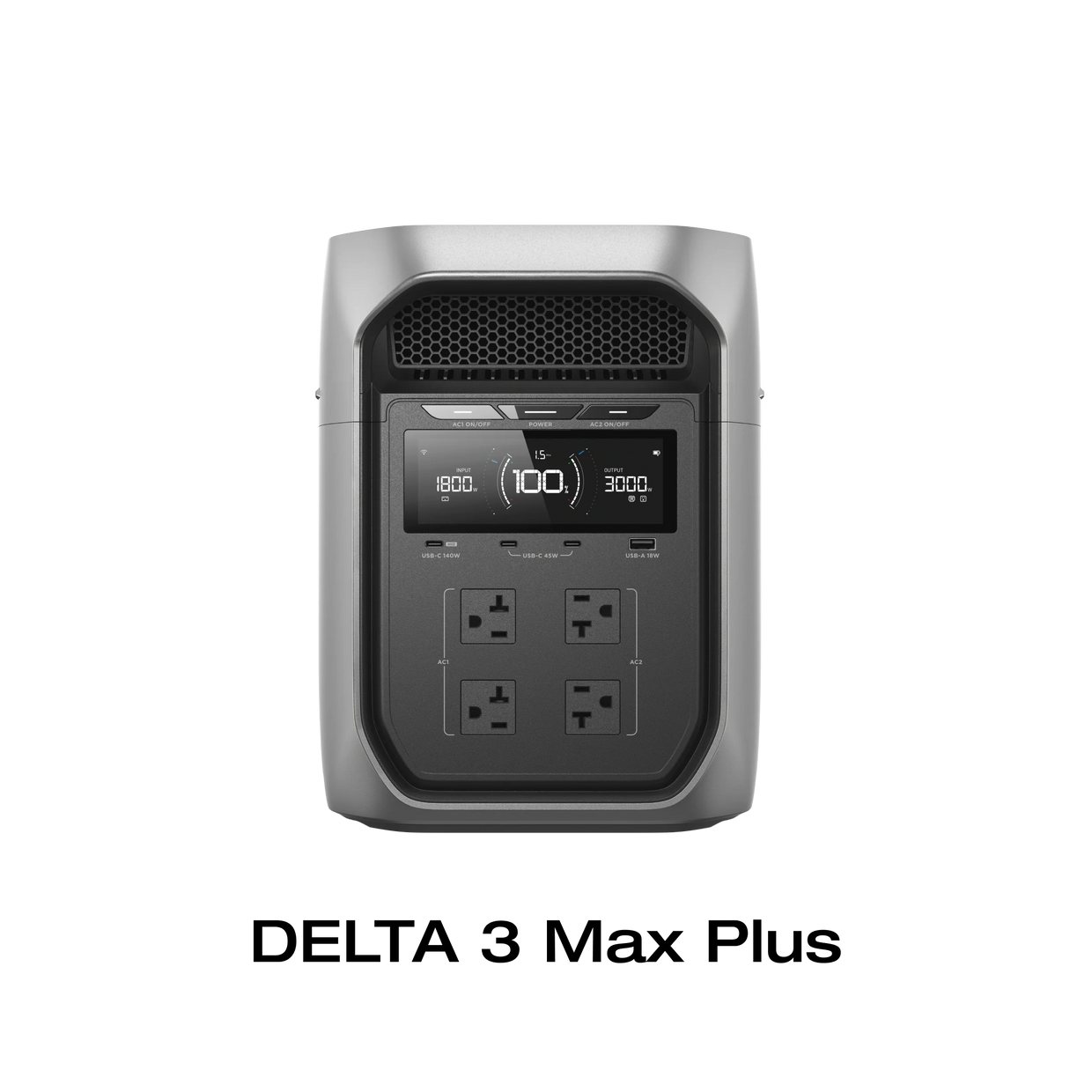 | 2,048 Wh | 3,000 W | 6,000 W | 49.6 lb | Check EcoFlow |
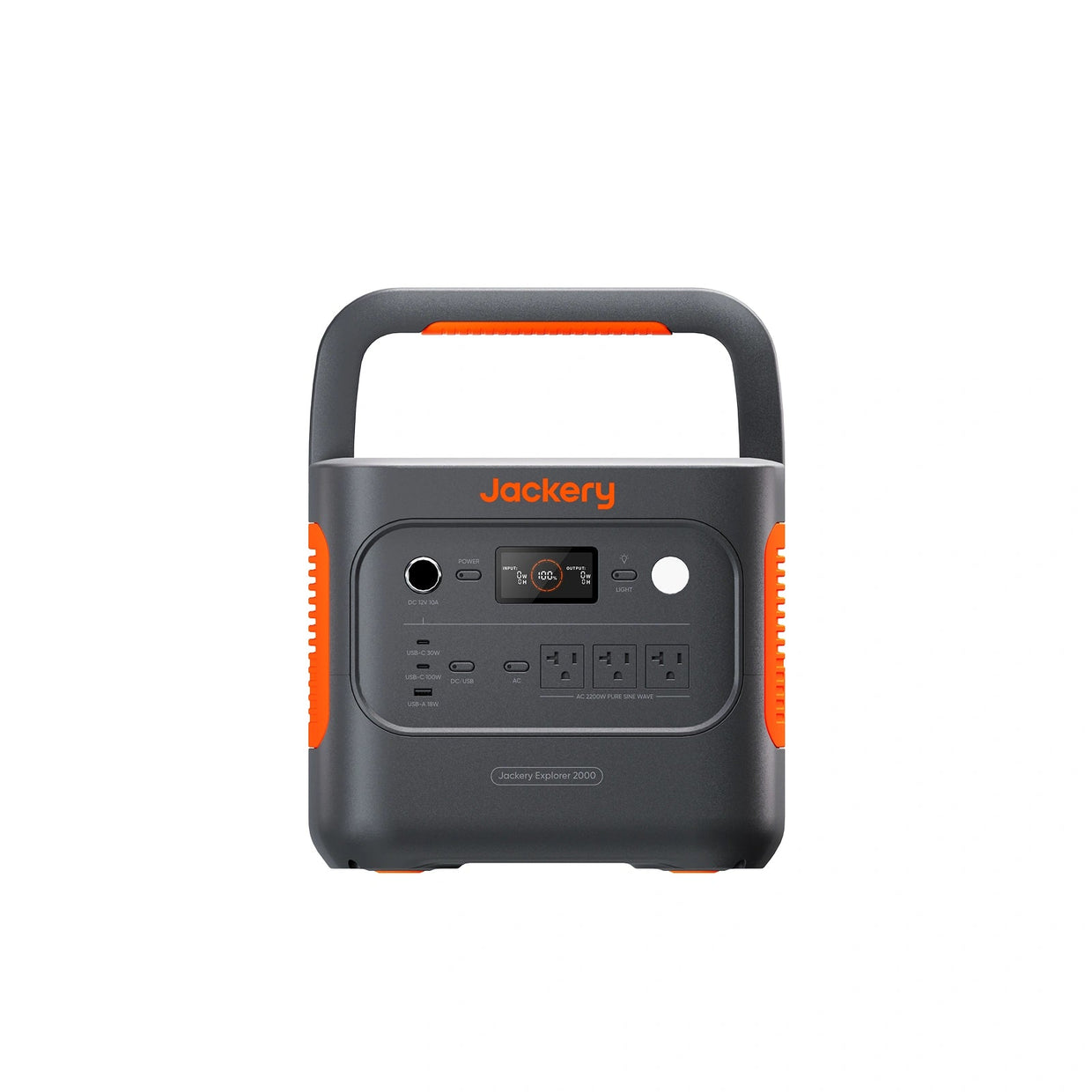 | 2,042 Wh | 2,200 W | 4,400 W | 39.5 lb | Check Jackery |
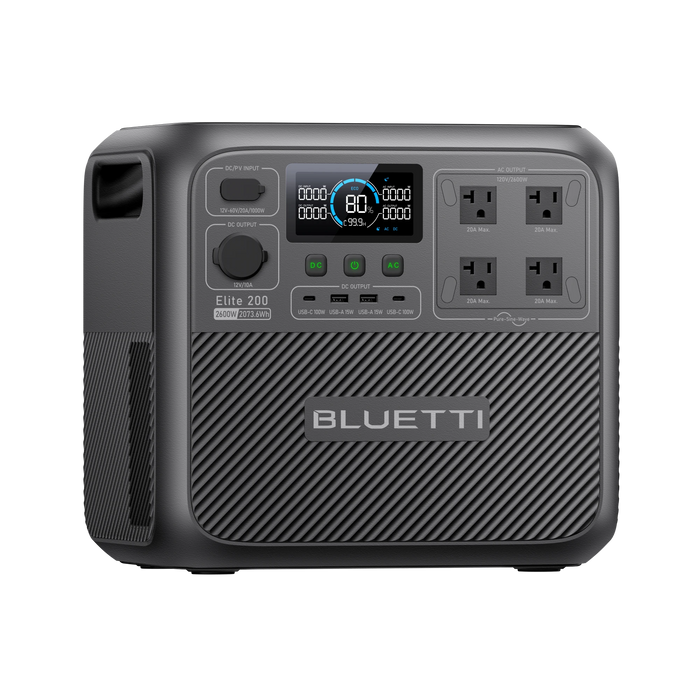 | 2,073.6 Wh | 2,600 W | Not published | 53.4 lb | Check BLUETTI |
Manufacturer boost modes are not substituted for a general surge rating. Direct manufacturer links exclude Amazon.
Continue through this cluster
Use the next page that answers your unresolved constraint
Evidence used on this page
Important fields are tied to a specific source. Manufacturer claims, government guidance, calculations, and planning assumptions remain separate.
- Energy Conservation Standards for Residential Furnace Fans
U.S. Department of Energy
Supports the need to distinguish blower operating modes and motor behavior. It does not establish one universal furnace wattage.
government data
- Electrical safety requirements
Occupational Safety and Health Administration
Safety context for wiring, overcurrent protection, grounding, and listed equipment. Portable stations should not be improvised into home wiring.
government guidance
- Calculation and compatibility methodology
Power Station Station
Defines capacity, efficiency, reserve, duty-cycle, voltage, continuous-output, and startup checks used across the site.
planning assumption
- DELTA 3 Max Plus specifications
EcoFlow US
US model page. Capacity, AC output, surge, solar input, weight, transfer time, chemistry, and warranty terms checked.
official product page
- Explorer 2000 v2 specifications
Jackery US
US model page. Capacity, output, peak, chemistry, cycle claim, weight, solar pairing, UPS, and warranty checked.
official product page
Capacity, chemistry, cycle-life claim, and warranty checked.
official product page
- Elite 200 V2 user manual
BLUETTI
AC output, solar envelope, weight, UPS transfer time, and Power Lifting limitation checked.
official manual