The practical answer
Battery capacity is only half of the runtime calculation.
The official 25 to 40 watt range is the starting point. Then account for the battery’s usable capacity, the efficiency of the output path, the cable, and every other device sharing the station. Starlink Mini does not demand a large inverter, but it does require the correct voltage and USB Power Delivery profile.
For a 1,024Wh station, our planning range is 20.7 to 33.2 hours through direct DC or USB-C, or 18.9 to 30.2 hours through AC. These are calculations, not measured test results.
The hardware
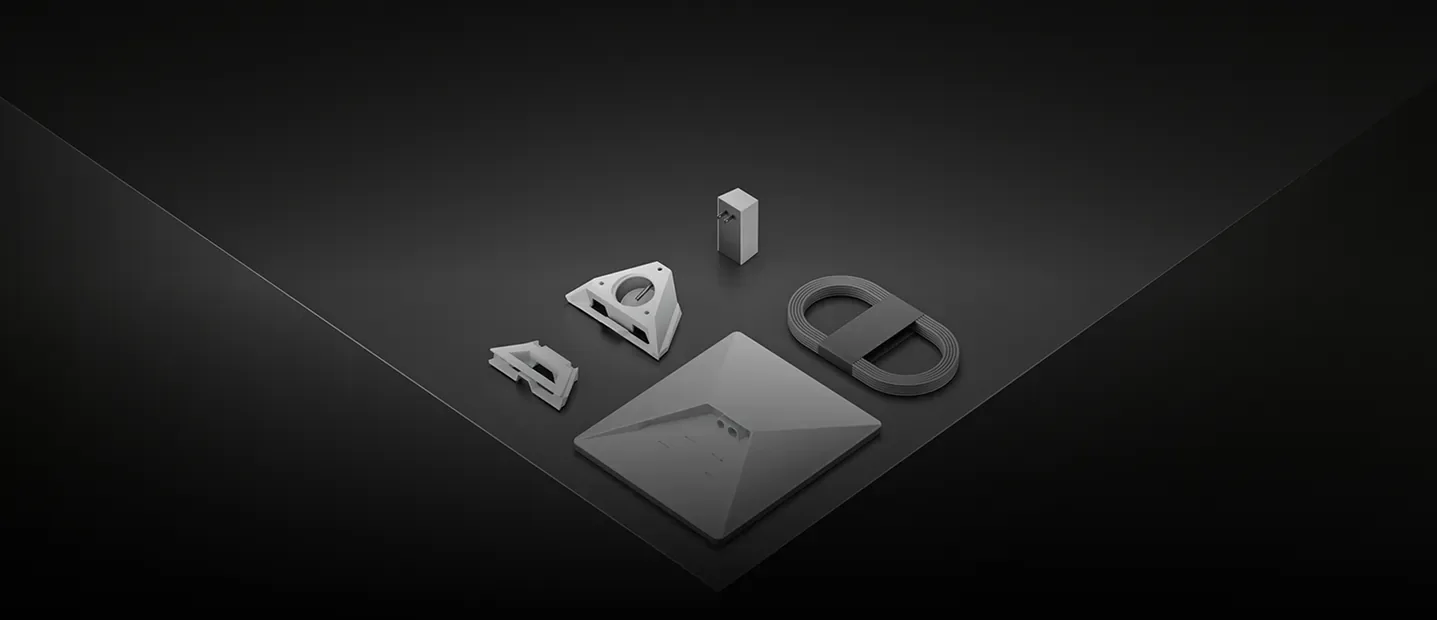
Starlink Mini is a complete portable internet terminal.
It is a compact electronic phased-array antenna with a built-in Wi-Fi 5 router. The terminal itself weighs 2.4 pounds and is designed to fit in a backpack. That makes it practical for outages, vehicle travel, remote work, and temporary communications setups.
The built-in router matters for power planning because Starlink’s published average already describes the Mini hardware. You only need to add another router when your own network requires one. Phones, laptops, lights, switches, and external networking equipment must still be added separately.
View the official Starlink Mini product pageOfficial power envelope
The specifications that determine battery compatibility
- Average power use
- 25–40WUse both ends of the range instead of one optimistic wattage.
- DC input rating
- 12–48V, 60W maximumVoltage and cable loss matter even when the source has enough wattage.
- USB Power Delivery
- 100W, 20V/5A minimumThis applies when using Starlink’s USB-C to barrel-jack cable accessory.
- Operating temperature
- -22°F to 122°FTemperature and snow-melt behavior justify planning from the upper end of the power range.
Specifications above come from Starlink’s product page and official Mini specification sheet. A USB-C port labeled 100W is not enough unless it can negotiate the required 20V/5A profile.
Transparent runtime math
Estimated Starlink Mini runtime by battery size
These ranges use 90% usable battery capacity. The direct path assumes 90% output-path efficiency, while AC assumes 82% after inverter and idle losses. Actual results depend on the station, cable, temperature, network activity, and connected equipment.
| Rated battery | Direct at 25W | Direct at 40W | AC at 25W | AC at 40W |
|---|---|---|---|---|
| 256 Wh | 8.3 hr | 5.2 hr | 7.6 hr | 4.7 hr |
| 512 Wh | 16.6 hr | 10.4 hr | 15.1 hr | 9.4 hr |
| 1,024 Wh | 33.2 hr | 20.7 hr | 30.2 hr | 18.9 hr |
rated Wh × 0.90 usable capacity × path efficiency ÷ Starlink wattsA nominal 1,024Wh station does not guarantee a full 24 hours. At 40W, the direct-path estimate is about 20.7 hours before phones, laptops, or other devices are added.
Efficiency decision
Use direct DC or USB-C when the complete power path is supported.
A large AC inverter consumes energy simply by being on. That overhead is noticeable when the connected device averages only 25 to 40 watts. A correct direct DC or USB-C path can reduce those losses and avoid converting battery DC to AC and then back to DC.
Direct power is not automatically safe or compatible. Confirm the output voltage, the available current, the USB-PD profile, connector polarity, cable length, and Starlink cable requirements. If any of those are uncertain, use the supported Starlink power supply through AC until the direct path is verified.
Direct DC or USB-CBetter potential runtime, stricter cable and profile checks.
AC power supplySimpler compatibility path, lower estimated runtime from inverter losses.
Plan the whole setup
The battery has to run more than the dish when the internet is being used.
The additional phone and laptop loads below are planning assumptions, not Starlink specifications. Replace them with measured values from your own equipment whenever communications are critical.
Add every device, its wattage, and the number of hours it must operate.
Battery-size decisions
Choose the smallest battery that still covers the restoration plan.
A 256Wh battery is a short bridge. It can cover roughly five to eight hours of Starlink Mini alone through an efficient direct path. A 512Wh battery is better suited to a workday or an overnight communications window. A 1,024Wh station is the practical starting point for a long outage, but it can still fall short of 24 hours when the Mini stays near 40W or shares power with other equipment.
Recharge access changes the answer. A smaller station that can recharge from a vehicle or solar during the day may be more useful than a heavier battery with no dependable refill plan. Solar nameplate wattage is not daily energy. Weather, panel angle, temperature, charge limits, and daylight hours all reduce real production.
Completed 1kWh records
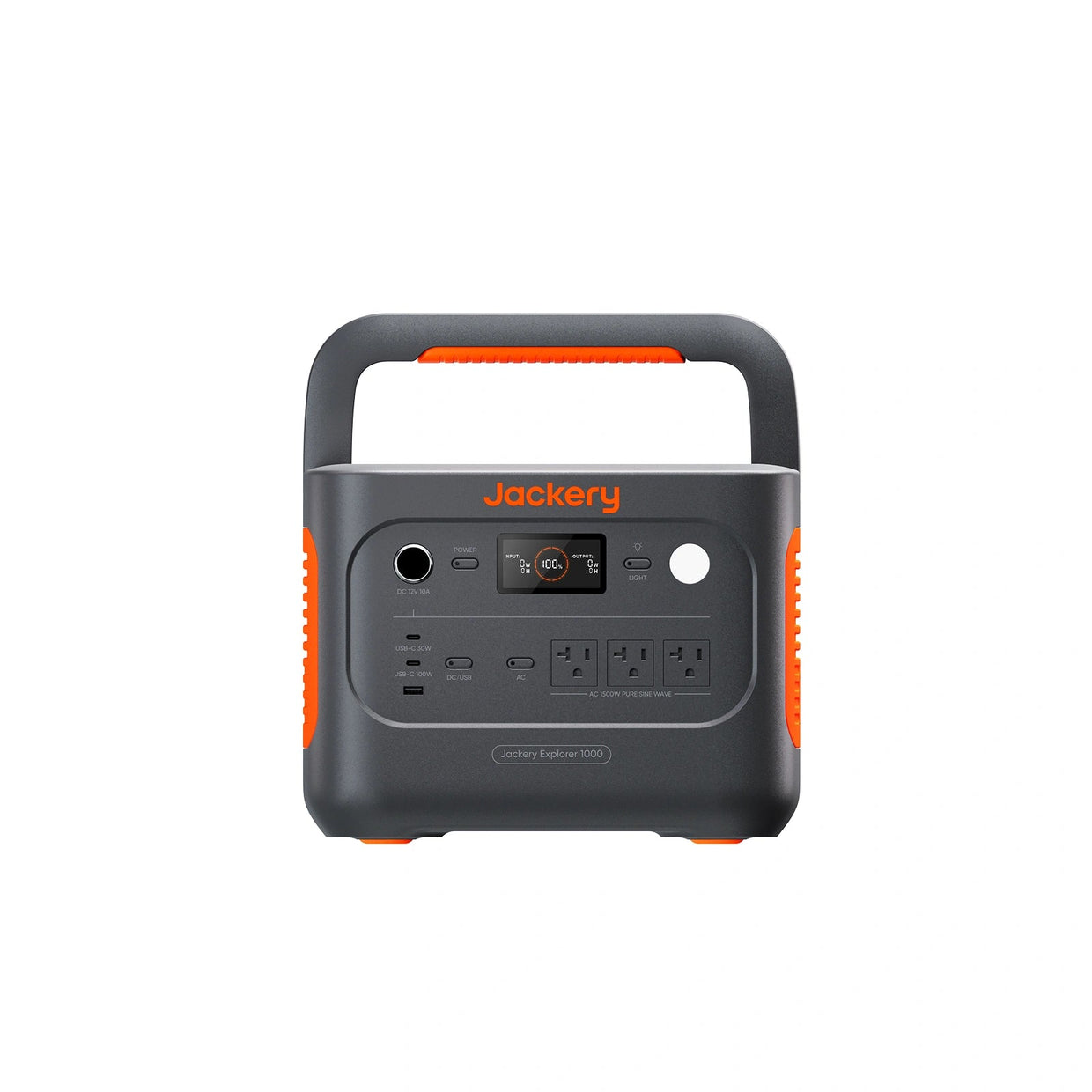
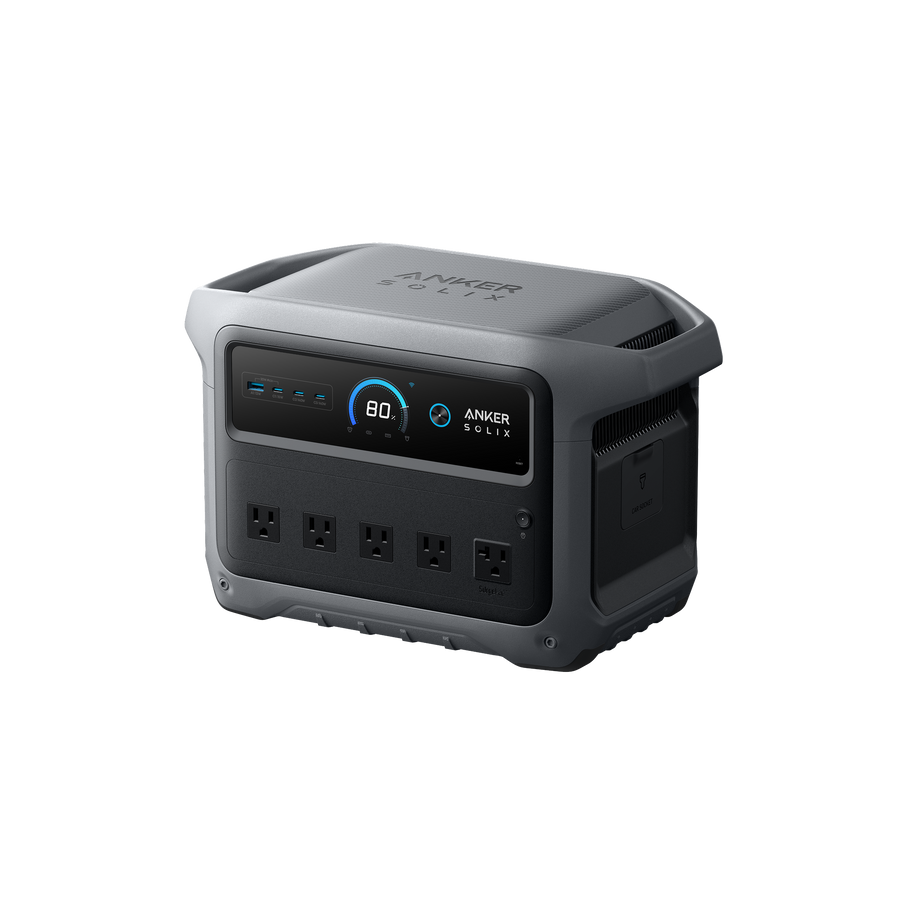
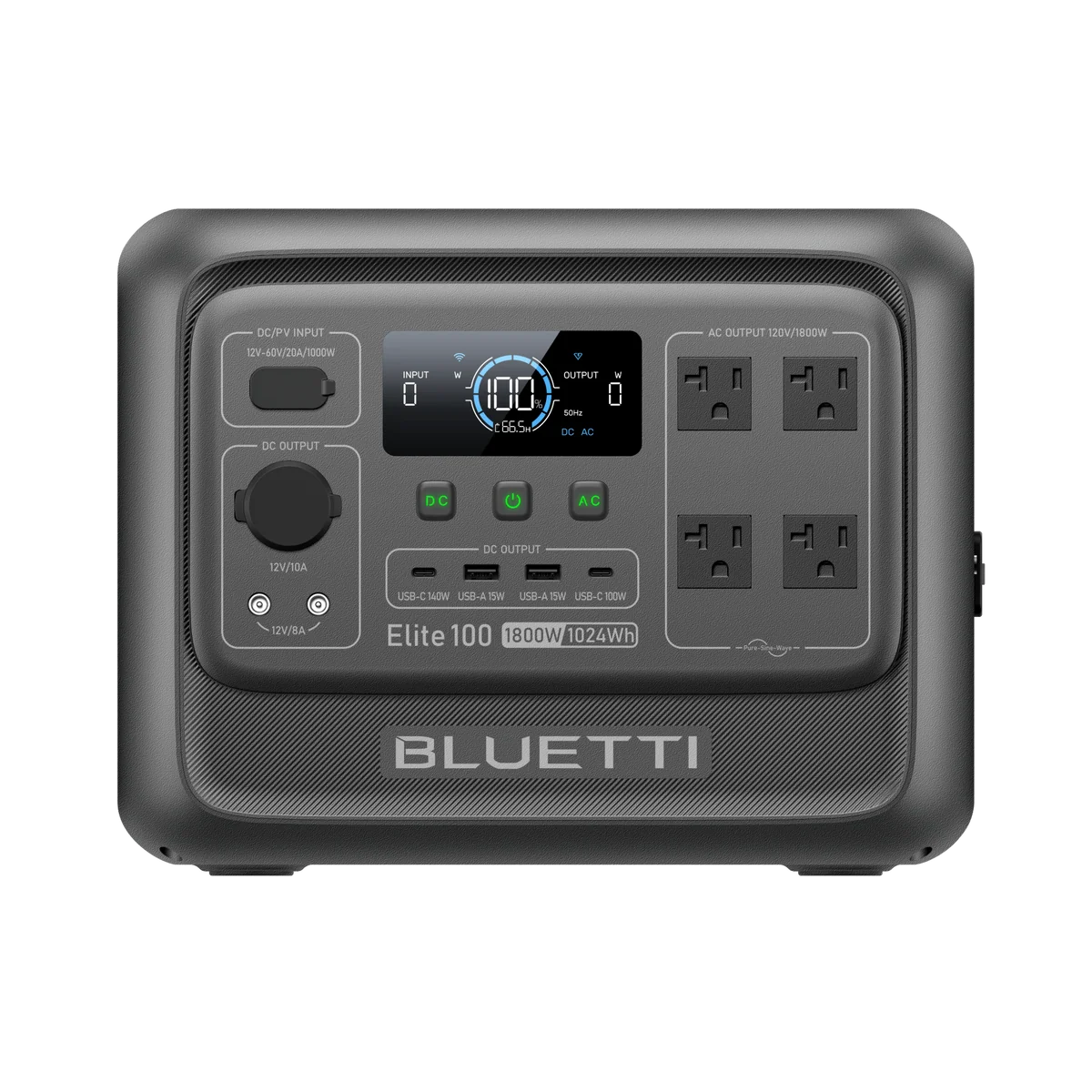
Power stations already documented for this use case
These are completed source-reviewed records, not claims that every port supports the Starlink USB-C profile. Check the exact output path and cable before buying for direct operation.
Common planning questions
Answers that change the battery decision
Can Starlink Mini run directly from USB-C?
Yes, with a compatible power source and Starlink’s USB-C to barrel-jack cable. Starlink specifies a 100W USB-PD source capable of 20V/5A. Verify the port profile, not just the wattage printed beside it.
How long will a 500Wh power station run Starlink Mini?
Using 512Wh as the comparison size, the estimate is 10.4 to 16.6 hours through a direct path or 9.4 to 15.1 hours through AC. The lower figure uses the official 40W end of the range.
Will a 1,000Wh power station run Starlink Mini for 24 hours?
Sometimes, but not across the full official load range. A 1,024Wh battery calculates to about 20.7 hours at 40W and 33.2 hours at 25W through the direct-path assumptions used here. Extra devices reduce that runtime.
Does Starlink Mini need a high-surge power station?
It is a low continuous communications load rather than a motor-start load. Correct voltage, current, USB-PD negotiation, cable quality, and efficient low-load operation are more important than a large surge number.
Continue through this cluster
Use the next page that resolves the remaining constraint.
Evidence and assumptions used on this page
Important fields are tied to a specific source. Manufacturer claims, government guidance, calculations, and planning assumptions remain separate.
- Starlink Mini Kit
Starlink
Official product page for the integrated Wi-Fi router, dimensions, weight, power requirements, environmental limits, and kit description.
official product page
- Starlink Mini specifications
Starlink
Official specification sheet for average power consumption, environmental limits, and compatible power requirements.
official manual
- Calculation and compatibility methodology
Power Station Station
Defines capacity, efficiency, reserve, duty-cycle, voltage, continuous-output, and startup checks used across the site.
planning assumption