Our answer
Confirm 115V compatibility, convert the exact pump nameplate into a conservative running envelope, and verify startup with the station manufacturer or a measured inrush reading. The cited Zoeller Model 73 is a 1/3 HP, 115V, 5.5A example, not a universal sump-pump load.
Why wattage lists fail for sump pumps
Horsepower is mechanical output, amps describe current under stated conditions, and watts describe real electrical power. They are related but not interchangeable. A generic chart can hide power factor, pump head, motor design, and startup duration.
The safest useful record begins with the exact model, voltage, full-load current, and manufacturer data. A clamp meter with inrush capture can add real site-specific evidence when used by a qualified person.
A practical sizing sequence
Clear voltage first, continuous output second, startup demand third, and energy capacity fourth. If any earlier gate fails, a larger battery capacity does not solve it.
- Confirm the pump is a standard 115V plug-in load and never backfeed household wiring.
- Find the station's published surge limit and any duration attached to it.
- Measure how many minutes the pump runs during the wettest expected hour.
- Add reserve and preserve a separate high-water alarm or backup strategy.
Runtime depends on weather, not only battery size
A pump that runs five minutes per hour uses far less energy than one cycling every few minutes. Publish a range based on observed minutes per hour instead of claiming one outage duration.
For severe water intrusion, a dedicated battery-backup pump or professionally designed system may be safer than relying on one portable station.
Source-reviewed candidates
Compare the relevant product records
| Product and use | Capacity | Continuous AC | Peak AC | Weight | Direct manufacturer |
|---|---|---|---|---|---|
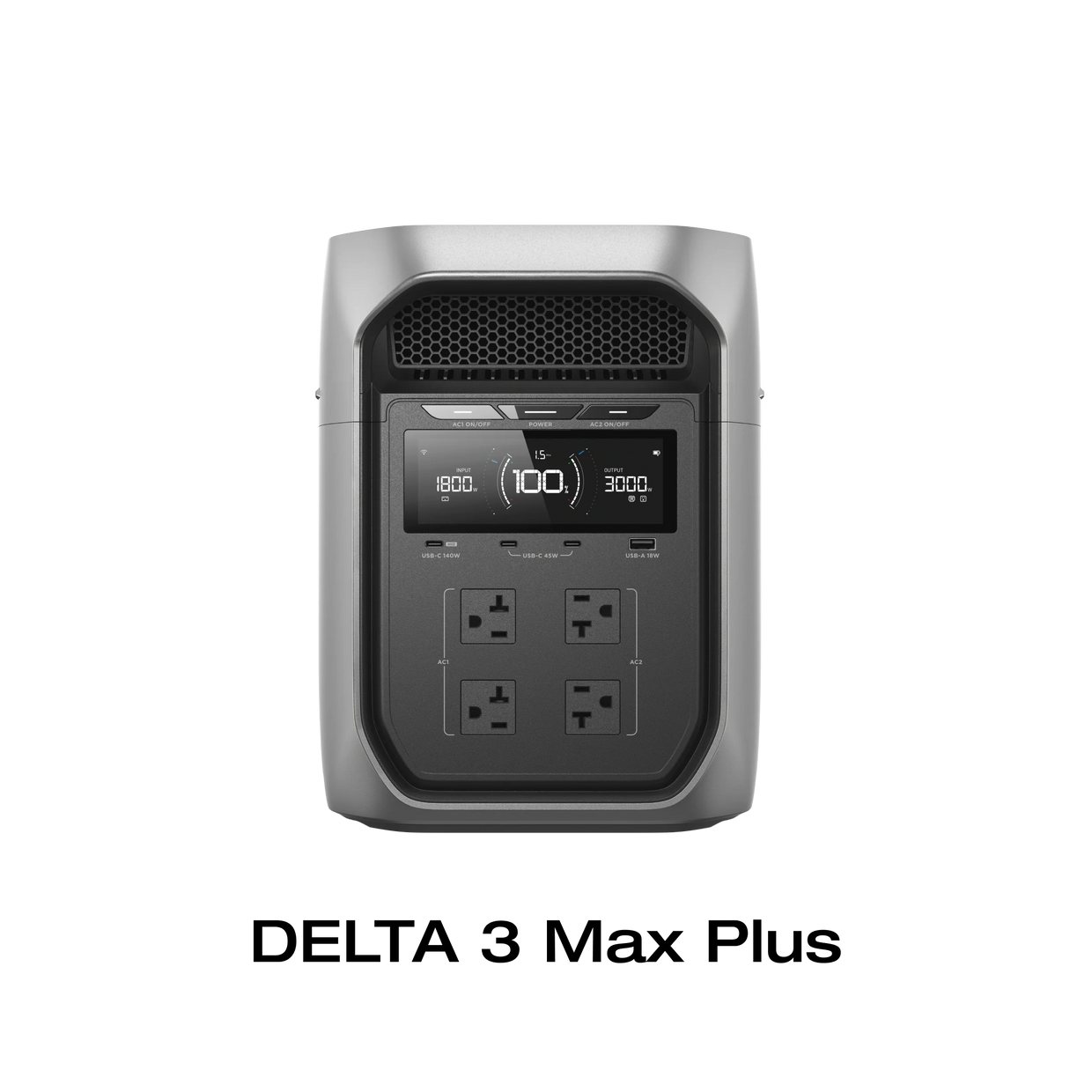 | 2,048 Wh | 3,000 W | 6,000 W | 49.6 lb | Check EcoFlow |
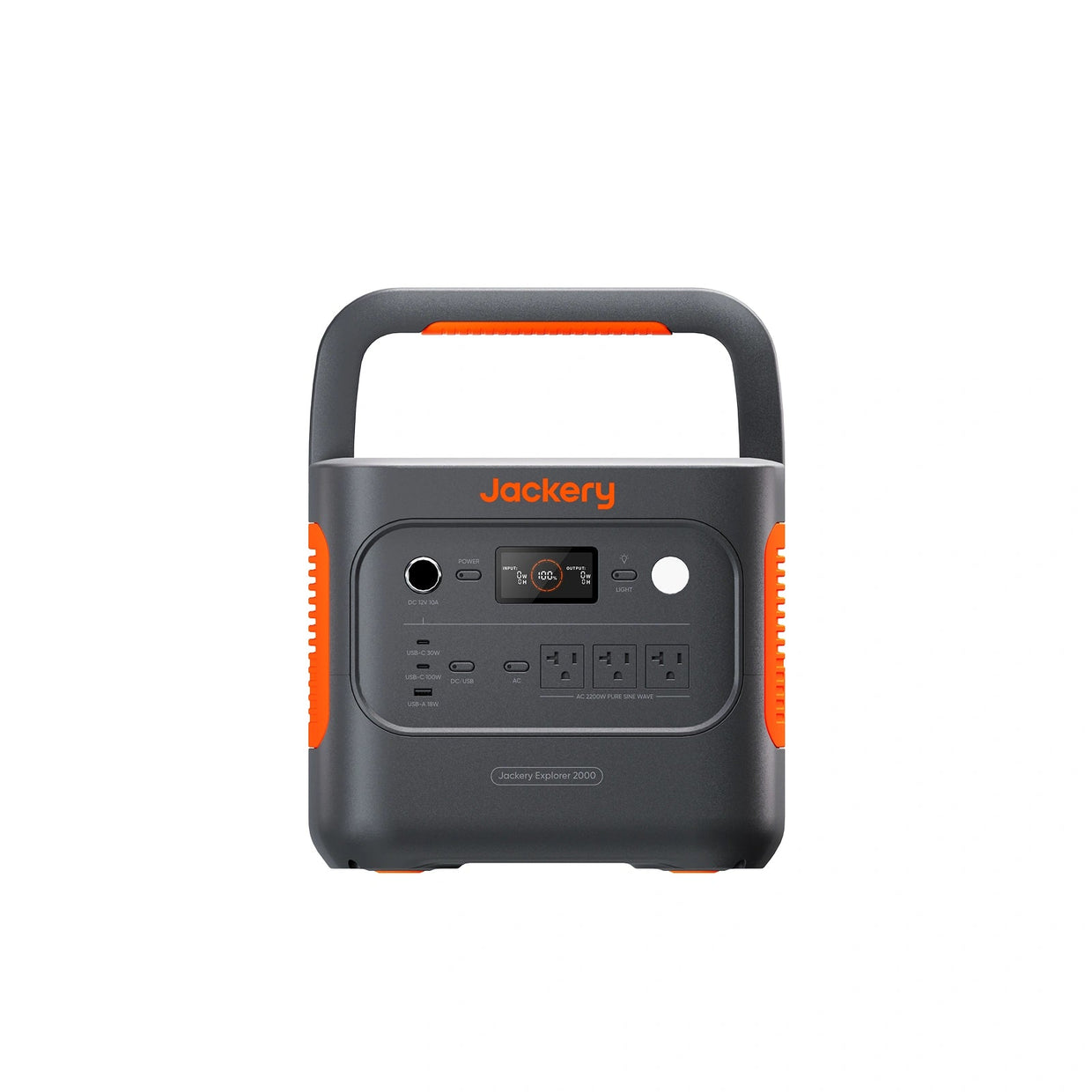 | 2,042 Wh | 2,200 W | 4,400 W | 39.5 lb | Check Jackery |
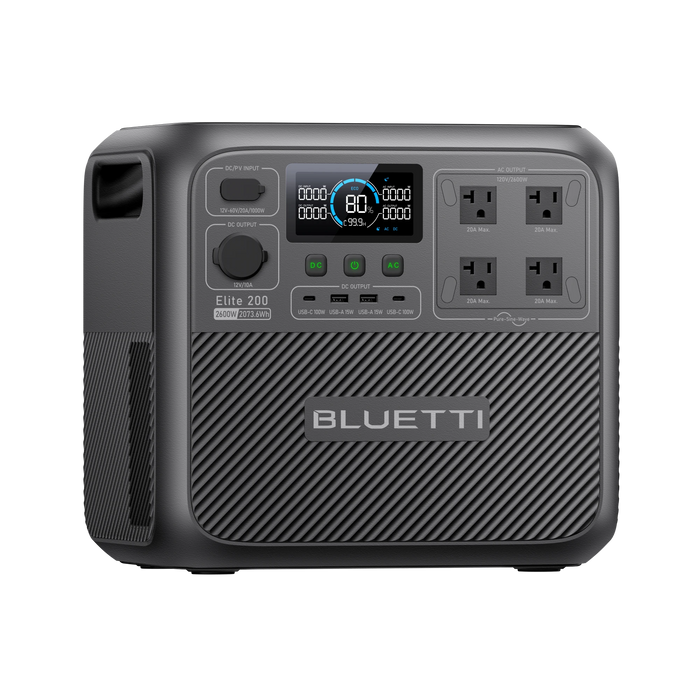 | 2,073.6 Wh | 2,600 W | Not published | 53.4 lb | Check BLUETTI |
Manufacturer boost modes are not substituted for a general surge rating. Direct manufacturer links exclude Amazon.
Questions that change the decision
Will a 2,000W power station run a 1/3 HP sump pump?
Possibly, but the continuous rating alone is not enough. Verify the exact pump voltage, measured or documented startup demand, and the station surge duration.
Continue through this cluster
Use the next page that answers your unresolved constraint
Evidence used on this page
Important fields are tied to a specific source. Manufacturer claims, government guidance, calculations, and planning assumptions remain separate.
- Model 73 Sump Pump technical data
Zoeller Pump Company
Representative 1/3 HP, 115V automatic pump rated at 5.5A. It is an example, not a universal sump-pump preset.
official manual
- Calculation and compatibility methodology
Power Station Station
Defines capacity, efficiency, reserve, duty-cycle, voltage, continuous-output, and startup checks used across the site.
planning assumption
- DELTA 3 Max Plus specifications
EcoFlow US
US model page. Capacity, AC output, surge, solar input, weight, transfer time, chemistry, and warranty terms checked.
official product page
- Explorer 2000 v2 specifications
Jackery US
US model page. Capacity, output, peak, chemistry, cycle claim, weight, solar pairing, UPS, and warranty checked.
official product page
Capacity, chemistry, cycle-life claim, and warranty checked.
official product page
- Elite 200 V2 user manual
BLUETTI
AC output, solar envelope, weight, UPS transfer time, and Power Lifting limitation checked.
official manual